
ASFROM Vacuum Vulcanizing Machine FAQ
ASFROM Vacuum Vulcanizing Machine FAQ
Vacuum Vulcanizing Machine Base Q&A
一.Application & Market Positioning FAQs
Q1: What shoe‑making processing scenarios are ACL‑480 / 680 / 880 vacuum vulcanizing machines suitable for?
A1: ACL series are rotary‑circulation vacuum vulcanizing & setting machines for shoe factories. They perform shaping for toe, mid‑tarsal, heel and other shoe sections through three‑in‑one processes: vulcanization setting, steam softening and vacuum shaping. Multiple models are available for selection: ACL‑480 (4‑cavity), ACL‑680 (6‑cavity), ACL‑880 (8‑cavity). They can be customized to match small‑batch flexible production for small‑factories as well as mass standardized production for large‑scale shoe‑making enterprises, adapt to long‑duration two‑shift continuous assembly‑line operation.
Q2: What core pain points of shoe factories can this series equipment solve?
A2: Conventional shoe‑shaping processes often suffer uneven fiber stretching, insufficient shoe fullness, poor fitting between upper and shoe‑last. Fixed single‑temperature mode cannot satisfy diverse materials and multi‑part differential‑shaping requirements. Non‑circular conveying consumes large quantities of shoe lasts and increases procurement costs. Ordinary shaping ovens have large heat loss, high power consumption, big footprint and loud running noise.
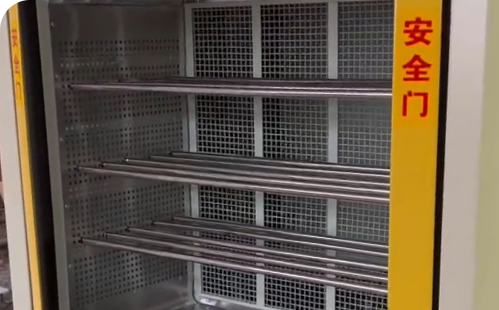
ACL‑series adopts steam‑spray + heating‑drying + massage‑style vacuum shaping workflow. It supports segmented independent temperature & time adjustment. Rotary circulation conveyor recycles shoe lasts. Sealed heating reduces energy loss, compact body saves workshop space, low‑noise design improves on‑site working comfort. Machine cavity quantity can be customized according to output demands.
Q3: What are the full core competitive advantages of this series?
A3:
- Innovative combined shaping craft: Steam spray wets and stretches upper fibers, followed by rapid heating‑drying, then massage‑type vacuum pressing. Makes shoe contours fuller and more aesthetic;
- Individualized multi‑zone temperature control: Precisely set temperature for toe / heel / mid‑upper and for different raw‑material types, guarantee molding effect for complex shoe styles;
- Flexible segmented‑process parameter setting: Adjustable duration for each processing stage, vacuum makes upper closely fit shoe‑last, improves batch quality stability;
- Track‑roller rotary circulation conveying: Stable running with low vibration, extends equipment service life; shoe‑lasts automatically return to starting station for repeated use, cuts shoe‑last procurement cost;
- Sealed constant‑temperature heating structure: Reduce heat dissipation loss, realize energy‑saving while maintaining stable internal‑chamber temperature;
- Compact layout & low‑noise operation: Optimized internal air‑flow design lowers running noise, saves workshop floor space;
- Customizable configuration: Cabinet quantity and overall dimension can be tailor‑made to match small‑batch or large‑volume production requirements.
二. Core Mechanism Technical FAQs
Q4: What are the key functional modules of ACL‑series vacuum vulcanizing machine?
A4:
- Steam‑spray humidification unit: Uniformly sprays steam to fully stretch upper fibers;
- Sealed heating & drying chamber: Constant‑temperature sealed heating removes redundant moisture from uppers;
- Vacuum shaping module: Massage‑type vacuum pressing, fits upper tightly onto shoe‑last; multi‑zone independent temperature control;
- Track‑roller rotary circulation conveying system: Realizes shoe‑last cyclic return‑transport;
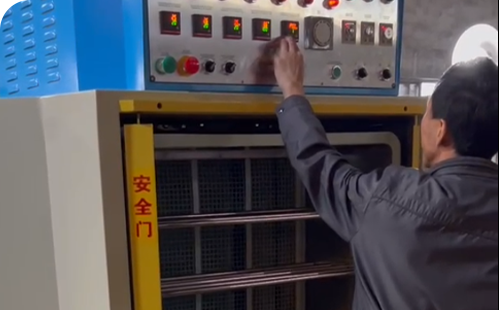
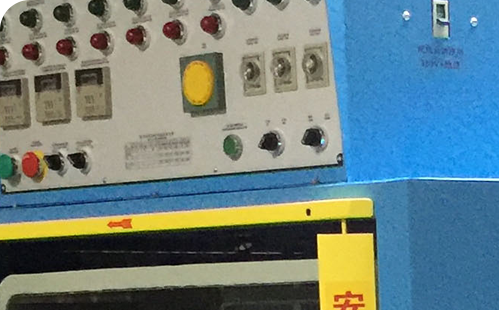
- Human‑machine parameter setting unit: Independently configures time / temperature for each process segment.
Q5:What practical production value do ACL‑series machines bring?
A5:Integrated steam‑softening, heating‑drying and vacuum‑vulcanizing improves shoe appearance fullness and fitting quality. The circulating‑transport design greatly reduces shoe‑last consumption. Sealed heating cuts power‑energy expenditure. Multiple‑specification models plus custom‑options allow factories to select suitable capacity according to actual output.
三. Complete Technical Parameter FAQs
Q6: What are the full official specifications of ACL‑480 / 680 / 880?
A6:
| Item | ACL‑480 | ACL‑680 | ACL‑880 |
|---|---|---|---|
| Model | ACL‑480 Vacuum Vulcanizing Machine | ACL‑680 Vacuum Vulcanizing Machine | ACL‑880 Vacuum Vulcanizing Machine |
| Power supply | 380V / 50Hz / 3‑Phases | 380V / 50Hz / 3‑Phases | 380V / 50Hz / 3‑Phases |
| Total Power | 19 KW | 28 KW | 38 KW |
| Number of cabinets | 4 cabinets | 6 cabinets | 8 cabinets |
| Overall Machine Dimension | 3500 mm × 1520 mm × 2100 mm | 4900 mm × 1520 mm × 2100 mm | 6400 mm × 1520 mm × 2100 mm |
| Net Weight | 1200 KG | 2290 KG | 2910 KG |
四.On‑Site Installation & Environment Matching FAQs
Q7: What power, space and environmental requirements before installation?
A7:
- Power supply: Stable three‑phase 380V power source; reliable grounding connection for electrical‑safety protection; sufficient power capacity matching the rated total‑power of selected model;
- Space: Reserve ≥1.5‑meter maintenance & operating clearance on both sides and ends of the long machine body for inspection, shoe‑last loading‑unloading and component replacement;
- Environment: The workshop shall keep good ventilation; prevent excessive moisture from eroding electric components; avoid dust accumulation inside track‑roller circulation mechanism;
- Ground: Require flat, high‑strength load‑bearing concrete ground to support heavy machine weight and prevent foundation subsidence under long‑term operation.
五.Standard Startup & Production Operation SOP FAQs
Q8: What is the complete standardized operating procedure from power‑on to mass‑production?
A8:
- Pre‑startup inspection: Check power‑supply grounding; inspect steam‑spray unit, heating chamber sealing condition, track‑roller conveying mechanism; test emergency‑stop function; drain residual water inside steam pipeline;
- Power‑on: Switch on main power supply; set segmented parameters (steam‑spray time, heating‑drying temperature & duration, vacuum shaping time & pressure) according to shoe‑material and shoe‑part requirements; pre‑heat the chamber until reaching target temperature;
- Idle test run: Run full circulation without workpieces; check for abnormal noise, air leakage, steam leakage and conveying jamming; verify temperature‑control accuracy;
- Sample debugging: Load shoe‑last‑mounted uppers, execute complete process cycle; fine‑tune time‑temperature‑vacuum parameters until shaping quality meets factory internal‑quality standards;
- Formal mass‑production: Continuously load shoe‑lasts onto circulation conveyor; perform random sampling inspection of shoe fullness, fitting condition during each shift; make sure circulating shoe‑lasts return smoothly to loading station;
- Shift‑end shutdown: Complete work‑pieces inside circulation loop first; stop steam & heating system; afterwards shut down conveying motor; cut off main power supply after chamber temperature drops; clean track rollers and remove water condensate.
六.Common Abnormality & Trouble‑Shooting Tips FAQs
Q9:What frequent‑seen faults may happen in daily workshop, and quick check points for operators?
A9:
• Phenomenon 1: Poor shaping effect, shoe‑upper not full, bad fitting with shoe‑last
Check points: Recheck segmented temperature, steam‑spray duration and vacuum pressure parameter settings; inspect steam‑spray nozzle for blockage; check chamber sealing performance.
• Phenomenon 2: Steam / hot‑air leakage from chamber door
Check points: Inspect aging or damage of sealing strips; check whether chamber door is fully closed and locked.
• Phenomenon 3: Circulation conveying jamming, unstable running
Check points: Check track‑roller condition; clear foreign‑object debris inside track; check driving‑motor and transmission‑chain working state.
• Phenomenon 4: Abnormal temperature deviation, heating insufficient
Check points: Inspect heating‑element working status; check chamber sealing for heat loss; verify temperature‑sensor installation and calibration.
• Phenomenon 5: Vacuum suction failure
Check points: Inspect vacuum‑pump running status; check pipeline leakage and filter‑element clogging.
⚠️ Warning: Operators are forbidden to open high‑temperature processing‑chamber door during working cycles; do not disassemble steam, heating, vacuum and circulating‑transmission assemblies without professional‑technical guidance. For complex faults, please contact supplier‑technical‑support team.
七.Tiered Complete Routine Maintenance FAQs
Q10: What maintenance items need to be done daily / weekly / monthly / quarterly?
A10:
✅Daily (before and after each production shift):
Clean condensate water inside chamber and steam‑nozzle dirt; inspect chamber‑door sealing strips; check track‑roller foreign‑object jamming; test emergency‑stop function; check steam & vacuum pipeline for leakage.
✅Weekly:
Add lubricant for track‑roller circulation transmission components; inspect heating components and temperature‑sensors; fasten loose mechanical screws; clean dust on electric‑cabinet heat‑dissipation openings.
✅Monthly:
Calibrate multi‑zone temperature‑control and vacuum‑system parameters; inspect wear of sealing strips, rollers and transmission‑parts; clean steam‑spray nozzles and vacuum filter elements.
✅Quarterly:
Full sample‑evaluation of shoe‑shaping performance; comprehensive inspection of steam generator, heating unit, vacuum pump and circulation driving‑system; replace heavily‑aged sealing accessories; check electrical‑circuit terminals for loose connections.
八. Delivered Accessories & Technical Documents FAQs
Q11: What items will be delivered together with the machine?
A11:
- Technical documents (paper hard‑copy + PDF electronic version): Complete English‑language operation manual, steam / heating / vacuum / circuit schematic diagrams, spare‑parts list and common‑fault‑troubleshooting manual; custom‑version description for tailor‑made configurations.
- Standard delivered accessories: A full set of standard‑tool kit for daily‑machine adjustment and maintenance work.
九. Warranty Scope & After‑Sales Technical Support FAQs
Q12: What is the exact warranty scope, and which parts are excluded?
A12:12‑month full‑machine warranty for non‑consumable parts.
Consumable‑wearing parts excluded from warranty: chamber sealing strips, steam nozzles, vacuum filter‑elements, track rollers, transmission‑chain components. Damage caused by improper operation, over‑load operation is not covered by warranty.
Q13: What after‑sales technical services are provided?
A13:
- Remote‑video debugging and remote‑fault‑diagnosis service;
- Online‑operator‑operation‑skill‑training guidance; door‑to‑door on‑site service can be arranged as required (especially for large‑size cabinet‑type models);
- Lifelong spare‑parts supply at factory‑cost price for customer follow‑up replacement;
- Technical support for later‑stage equipment‑modification if customers need to adjust production capacity.
Supplementary note: This series supports customized cabinet quantity and dimension according to customer production capacity requirements.