
ASFROM Sole UV Curing Machine FAQ
ASFROM Sole UV Curing Machine FAQ
Sole UV Curing Machine Base Q&A
1. ข้อมูลพื้นฐานของผลิตภัณฑ์
Q1: What is the UV1‑1600 UV Curing Machine?
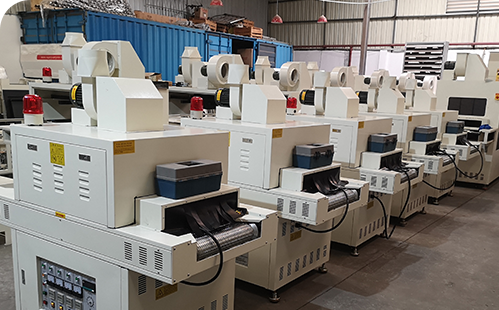
A1: The UV1‑1600 is a UV curing machine specially designed for shoe materials and heat‑sensitive substrates. It uses ultraviolet light from lamps to trigger polymerization of the UV‑curable primer applied on the material surface, increasing polarity and adhesion strength. With cold‑source curing, it is particularly suitable for foamed materials like EVA and MD, and can also be used in printing, packaging, electronics and other industries.
Q2: What are the core technical parameters of UV1‑1600?
A2:Key parameters are:
-
Model: UV1‑1600
-
Voltage: AC380V/50Hz/3Ph or AC220V/50Hz/1Ph, total power 4kW
-
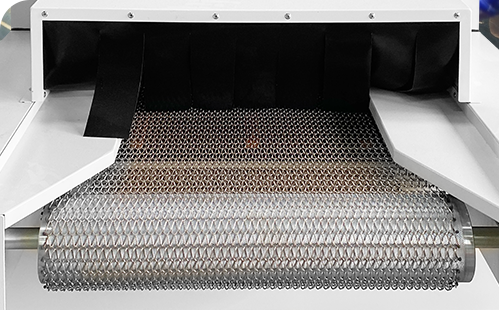
Feeding width: 210 mm; Outlet width: 305 mm; Effective irradiation width: 430 mm
-
Overall length: 1600 mm
-
Conveying speed: Max. 12 m/min (adjustable)
-
Lamps: 4 pcs of US‑imported CS‑201 1kW lamps
-
Fan motor: AC380V/50Hz/3Ph/1HP
-
Air supply motor: AC220V/50Hz/1Ph/0.38HP
-
Conveyor motor: AC220V/50Hz/1Ph/1/2HP 4P
-
Reducer: 5GU‑30KB
-
Machine dimensions: 1600(L)×850(W)×1600(H) mm
2. อุตสาหกรรมและวัสดุที่เหมาะสำหรับการใช้งาน
Q3: What materials can UV1‑1600 process and in which industries is it mainly used?
A3:It is mainly used for surface activation of sports shoe soles and foamed shoe materials like EVA and MD to improve adhesion. It is also applicable to UV curing or surface treatment in printing, packaging, electronics industries, such as ink curing, coating drying, and electronic component encapsulation.
三. Working Principle & Features
Q4:What is the curing principle of UV1‑1600?
A4:The specially formulated UV‑curable primer is evenly wiped or sprayed onto the surface of the material to be bonded. After drying, the material enters the irradiation zone. UV light splits the photoinitiator in the primer to generate free radicals, triggering polymerization and crosslinking of monomers/oligomers. This increases surface polarity and adhesion, resulting in strong and durable bonding.
Q5:What are the outstanding features of UV1‑1600?
A5:
-
High‑efficiency reaction: UV light directly initiates polymerization within seconds.
-
Fast production: Very short irradiation time greatly shortens production cycle and improves line efficiency.
-
Low‑temperature treatment: Cold‑source curing with extremely low temperature avoids shrinkage, deformation or blistering of heat‑sensitive materials like EVA and MD.
-
Stable conveying: Equipped with anti‑deviation guide wheels to ensure uniform and continuous processing.
-
Energy‑saving & economical: Instant lamp start, concentrated energy consumption, much lower than hot ovens; compact footprint saves space; overall production cost reduced.
-
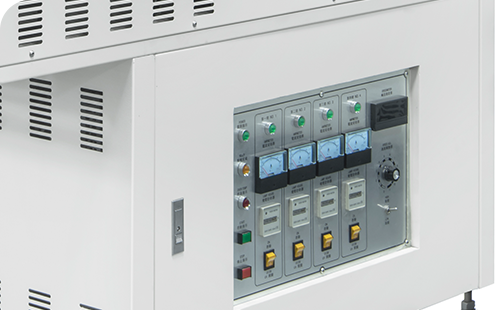
Intelligent detection: Alarms and shows faulty lamp position; warning light flashes and conveyor stops if UV system fails.
四.Installation & Operation
Q6: What utility conditions are required for UV1‑1600?
A6:Power supply: optional AC380V/50Hz/3Ph or AC220V/50Hz/1Ph, total 4kW. The machine must be properly earthed. No cooling water or compressed air is required – only power and good ventilation.
Q7: What are the key operating precautions?
A7:
-
Ensure UV lamps are properly stabilised (instant start, but allow a short warm‑up before production).
-
Adjust conveying speed (up to 12 m/min) according to material thickness and processing needs.
-
Periodically check belt tension and correction devices to prevent deviation.
-
Do not run UV lamps for extended periods without material passing through, to avoid damage to lamps or reflectors.
-
Operators must wear UV‑protective goggles and avoid direct skin exposure.
五. Maintenance & Care
Q8: What daily maintenance items are required for UV1‑1600?
A8:
-
Per shift: Clean lamp surfaces and reflectors to maintain irradiation efficiency; check belt smooth operation and deviation.
-
Weekly: Check all motors and fans for normal operation; clean ventilation inlets/outlets.
-
Monthly: Inspect electrical wiring and grounding; test emergency stop function.
-
Every half‑year: Replace UV lamps according to usage (typical lifetime 1,000‑2,000 hours, depending on brand and conditions).
-
Yearly: Lubricate reducer and conveyor drive components as per manufacturer’s recommendations.
Q9: What precautions should be taken when replacing lamps?
A9:
-
Turn off power and allow lamps to cool before handling.
-
Use clean gloves to avoid touching the glass (skin oil reduces UV transmission and lamp life).
-
Ensure replacement lamps are of correct model (CS‑201 1kW).
-
Check secure connections and re‑align irradiation area if necessary.
-
Perform a short test run after replacement to verify normal lighting and no flickering.
六. Troubleshooting
Q10: What to do if UV lamps fail to light up?
A10:
-
Check if power supply is normal and voltage matches.
-
Inspect lamps for blackening, cracks or end‑of‑life.
-
Check terminals for looseness or oxidation.
-
View alarm display to identify faulty lamp position.
-
If all above are normal, possible trigger or ballast failure – contact professional service.
Q11: What to do if conveyor belt stops or runs abnormally?
A11:
-
Check if emergency stop button is accidentally pressed.
-
Verify whether UV system fault triggered auto‑stop (warning light flashing).
-
Check conveyor motor power and inverter (if equipped).
-
Inspect belt for jam or excessive slack, adjust tension.
-
If motor overheated, allow it to cool before restart.
七. Model Selection & Production‑line Matching
Q12: Which upstream/downstream equipment can UV1‑1600 be matched with?
A12:Typically placed between primer application and subsequent bonding/pressing equipment in shoe production lines. It can be integrated with automatic glue coaters, pre‑dryers, laminating machines, bottom presses, etc. In printing/electronics, it can work with printing presses, coaters, laminators, etc.
Q13: How to choose between UV1‑1600 and other models based on production needs?
A13: UV1‑1600 has effective irradiation width of 430 mm and length of 1.6 m, suitable for small‑to‑medium shoe materials or general workpieces. For wider web or longer exposure, other UV1‑series models are available. Selection should consider maximum material width, line speed, required UV dose – consult supplier for advice.