
ASFROM Needle Detector Machine FAQ
ASFROM Needle Detector Machine FAQ
Needle Detector Machine Base Q&A
一.Product Application FAQs
Q1: What production‑process is the A‑8630K‑10 metal detector (needle detector) used for?
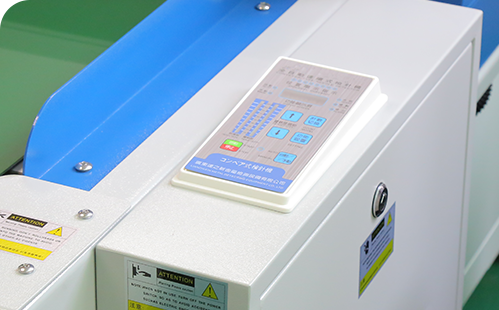
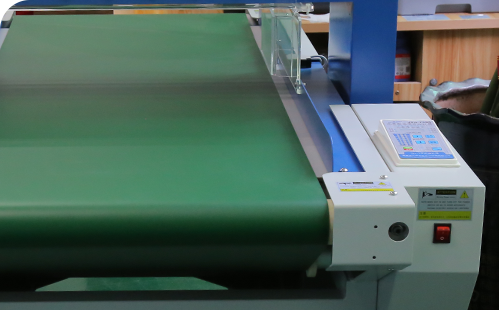
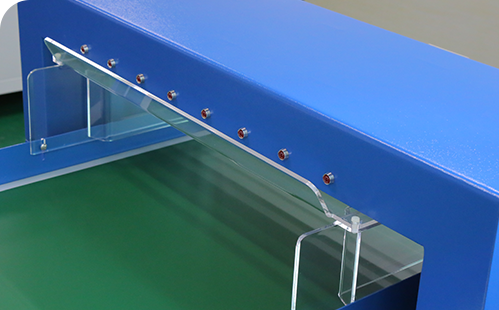
A1: A‑8630K‑10 is a conveyor‑type anti‑interference high‑sensitivity ferromagnetic metal detector. Based on magnetic‑induction digital‑circuit technology, it detects broken needles, iron filings and other ferrous metal fragments mixed inside products. It is widely used for garments, knitwear, baby articles, socks, shoes, plush toys, handicrafts and aluminum‑foil packaged food products. It supports inspection for export‑oriented goods to avoid safety risks caused by residual metal foreign‑bodies. It can be docked with assembly lines for continuous automatic inspection.
二. Core Features & Advantages FAQs
Q2:What are its core hardware and detection‑performance strengths?
A2:
- High‑performance imported core components: Adopts Japanese movement core, Taiwan‑brand stable motor, paired with food‑grade non‑toxic wear‑resistant conveyor belt. Heavy‑duty full square‑tube steel‑frame body with electrostatic‑spraying process delivers good shock‑resistance and anti‑interference performance.
- Strong anti‑interference digital circuit: Equipped with imported high‑performance RISC microcomputer chip and double‑row multi‑group sensor array. It effectively resists electromagnetic disturbance from sewing machines, exhaust fans and sealing equipment. Sensitivity is adjustable in 1‑10 levels. Eight‑zone position‑indicator lamp pinpoints the location of detected metal contaminants.
- Multi‑mode operation & intelligent counting: Multiple working modes (semi‑automatic / accessory / finished‑product) are selectable. It counts total, qualified and defective pieces separately. When metal is detected, sound‑light alarm triggers; conveyor stops and reverses back to starting position then resumes automatically.
- Safety & energy‑saving functions: Built‑in lightning‑proof and leakage‑protection circuit. If no goods pass through within 10 minutes, the machine auto‑shuts down to reduce power consumption and extend component service life. Parameters can be configured after power‑on before motor startup for safer operation.
- Easy integration: Conveyor‑line‑compatible design, supports inline continuous high‑speed inspection.
三. Complete Technical Parameters FAQs
Q3: What are the complete official specifications of A‑8630K‑10?
A3:
| Item | Specification |
|---|---|
| Model | A‑8630K‑10 Metal Detector Machine |
| Power supply | AC 220V / 50Hz / 1‑Phase |
| Rated Power | 60 W |
| Detection width | 600 mm |
| Max detection thickness | 150 mm |
| Detectable ferrous sphere | Φ1.0 mm iron ball |
| Sensitivity adjustment | 10‑level adjustable |
| Conveyor running speed | 24 m/min |
| Overall dimensions (L×W×H) | 1900 × 1040 × 950 mm |
| Net Weight | 150 KG |
四.On‑Site Installation & Environment Matching FAQs
Q4: What pre‑conditions are required before installation?
A4:‑ Power supply: Stable single‑phase 220V power supply, reliable protective earthing is mandatory.
‑ Environment requirements: Avoid high‑temperature and high‑humidity locations. Keep away from moving ferromagnetic objects and electromagnetic interference sources (fans, sewing machines). Prevent heavy vibration, otherwise false alarms will occur.
‑ Operator rule: Operators shall not carry ferromagnetic articles such as keys, mobile phones, steel rulers and screwdrivers while operating.
‑ Space allocation: Place machine on firm flat ground. Reserve front‑rear space for product feeding‑outlet and side clearance for maintenance.
五.Standard Startup & Production Operation SOP FAQs
Q5: What is complete standardized operating procedure from power‑on to mass‑production?
A5:
- Pre‑start‑up inspection: Clear debris between probe and conveyor pallet. Confirm mechanical fixing condition. Perform sensitivity calibration with standard test block.
- Power‑on & parameter setup: Switch on main power. Set sensitivity level, select proper working mode, configure reversal‑return distance, enable counting function.
- Idle test‑run: Run several empty conveyor cycles, verify alarm, reverse‑return and counting functions respond normally. Re‑calibrate sensitivity.
- Formal mass‑production: Place products lightly onto conveyor. Do not overload or strike the probe. Perform sensitivity calibration every hour during continuous production. Once defective item is detected, machine will alarm, reverse and stop. Re‑inspect rejected goods.
- Shift‑end shutdown: Clean conveyor belt and probe area. Switch off machine and cut off main power supply.
⚠️ Safety warning: Do not spray‑wash the whole machine directly with water. Keep probe, control cabinet and conveyor system dry.
六.Common Abnormality & Trouble‑Shooting Tips FAQs
Q6: What frequent‑seen faults may happen in daily workshop, and quick check points for operators?
A6:
• Phenomenon 1: Machine fails to start Check points: Inspect blown fuse or damaged start‑button; replace damaged spare parts.
• Phenomenon 2: Fuse blows immediately after startup Check points: Check for moisture and sticky foreign‑bodies between conveyor belt and bottom pallet; clear dirt and separate belt from pallet.
• Phenomenon 3: Frequent false alarms during detection Check points: Check machine installation stability and loose mounting screws; avoid violent dropping of goods onto conveyor.
• Phenomenon 4: Motor runs but intermittent false‑alarm occurs Check points: Clear metal scraps stuck on conveyor or between conveyor and pallet.
• Phenomenon 5: Motor works but no alarm when metal test‑block passes through Check points: Check power‑plug contact condition; contact professional maintenance personnel for internal circuit failure.
• Phenomenon 6: Continuous alarm with motor stationary Check points: Re‑seat circuit‑board connectors; notify supplier for circuit‑board component failure repair.
• Phenomenon 7: Alarm triggers but conveyor does not stop / reverse Check points: Possible damage of electronic relay or manifold parts; contact supplier for spare‑part replacement.
⚠️ Warning: All electrical‑box disassembly work must be completed by qualified electricians after power‑off. Do not open electrical‑cabinet without authorization.
七.Tiered Complete Routine Maintenance FAQs
Q7: What maintenance items need to be done daily / weekly / monthly / quarterly?
A7:
✅Daily (before and after each production shift) Clean conveyor belt, probe and pallet gap to remove scraps and metal fragments. Complete sensitivity calibration before production and every working hour. Power‑off when shift finishes.
✅Weekly Check mechanical fastening screws; inspect reducer operating noise and temperature; replenish grease for transmission parts as required.
✅Monthly Check cabinet internal humidity; keep components dry; inspect power‑cord and earthing condition.
✅Quarterly / every 6 months Full maintenance for gear reducer: replenish or replace lubricating grease. Comprehensive inspection for sensors, circuit‑board and conveyor‑driving assembly.
八. Delivered Accessories & Technical Documents FAQs
Q8: What items will be delivered together with the machine?
A8:
- Technical documents (paper hard‑copy + PDF electronic version): Complete English‑language operation manual, electrical schematic diagram, spare‑parts list and common‑fault‑troubleshooting manual, standard test‑block for sensitivity calibration.
- Standard delivered accessories: A full set of standard‑tool kit for daily‑machine adjustment and maintenance work.
九. Warranty Scope & After‑Sales Technical Support FAQs
Q9:What is the exact warranty scope, and which parts are excluded?
A9: 12‑month full‑machine warranty for non‑consumable parts, calculated from goods arrival at buyer’s premises.
Consumable‑wearing parts excluded from warranty: conveyor belt, fuses, grease, gear‑reducer wearing components. Damage caused by water‑washing, violent vibration, electromagnetic‑interference environment and unauthorized disassembly is not covered under warranty.
Q10: What after‑sales technical services are provided?
A10:
- Remote‑video debugging and remote‑fault‑diagnosis service.
- Online‑operator‑operation‑skill‑training guidance; door‑to‑door on‑site service can be arranged as required.
- Lifelong spare‑parts supply at factory‑cost price for customer follow‑up replacement.
- Process‑technical support: assist customers to adjust sensitivity and select suitable working‑modes for different product types.
Supplementary note: Mandatory hourly sensitivity‑calibration is required for quality‑control purposes in actual production. Operators must strictly follow the operating manual.