
ASFROM Shoe Sole Bonding Press FAQ
ASFROM Shoe Sole Bonding Press FAQ
Shoe Sole Bonding Press Base Q&A
一.Product Application FAQs
Q1: What production process is the AWP‑600A automatic hydraulic press designed for?
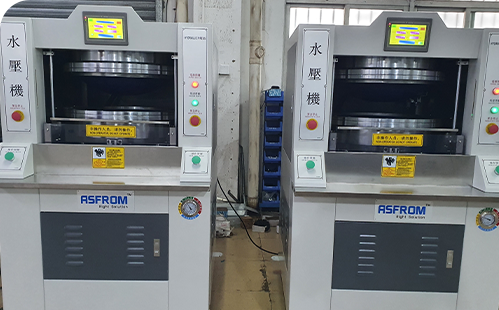
A1: The AWP‑600A is an automatic hydraulic press specially built for outsole‑upper bonding of casual shoes and sports‑style footwear. It relies on expansion‑compression principle with high‑strength telescopic rubber bladder to deliver full 360‑degree omnidirectional squeezing force inside the circular hydraulic cylinder. It completes outsole seamless lamination in one single cycle. This machine eliminates requirements for separate front‑rear presses, side presses or wall‑type sole‑press molds. It fits mass‑production assembly‑line environment and shortens overall shoe‑making workflows.
二. Core Features & Advantages FAQs
Q2: What is the core molding principle and key hardware advantage?
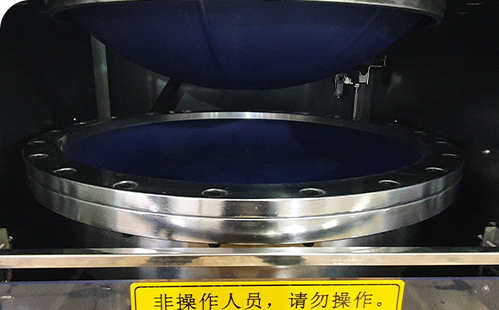
A2: It adopts fire‑resistant hydraulic‑oil drive system paired with heavy‑duty expandable rubber bladder. Under expansion‑compression theory, uniform 360‑degree extrusion is generated inside ergonomic circular hydraulic cylinder to achieve complete seamless outsole bonding. The rubber bladder features extraordinary service life rated for 400 000‑600 000 working cycles, which greatly cuts spare‑part replacement frequency and long‑term maintenance expense. Since multiple traditional pressing machines and hard molds are no longer required, manufacturers can reduce equipment investment and simplify production layout.
Q3: What are its efficiency and cost‑saving strengths?
A3:The machine removes limitations caused by varied sole contours and shoe sizes. Each pair of shoes only takes 2‑6 seconds for complete pressing cycle. Its 8‑hour output reaches 2400‑3200 pairs. Without complex custom molds, factories save expenditures on mold fabrication, storage and modification, meanwhile lowering labor consumption and power‑energy cost.
Q4: What safety‑protection configuration does this machine adopt?
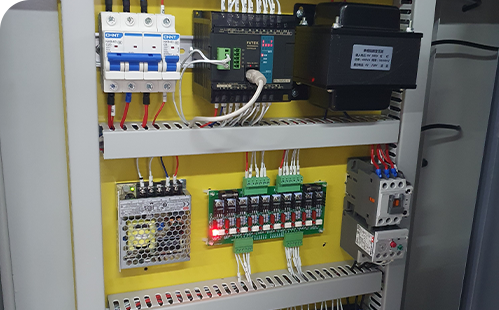
A4:It is equipped with full‑automatic electric‑control circuit with built‑in self‑diagnosis fault‑detection function. Triple‑layer safety protections are implemented: dual emergency‑stop push‑buttons, safety‑door touch trigger device and infrared light‑grating sensor. Once obstruction is detected, the machine triggers immediate halt. The human‑oriented interface lowers skill threshold; new operators can master routine operation quickly without long‑term specialized training.
三. What are the complete official specifications of AWP‑600A?
Q5: What are the complete official specifications of AWP‑600A?
A5:
| Item | Specification |
|---|---|
| Model | AWP‑600A Automatic Hydraulic Press Machine |
| Power supply | 220V / 60Hz / 1‑Phase OR 380V / 50Hz / 3‑Phases (optional) |
| Mechanical horsepower | 3 mã lực |
| Oil pump model | PVD‑DF‑40‑35/55KGF/CM |
| Laminating pressure range | 0‑30 KG/CM² |
| Recommended hydraulic oil | 46# fire‑resistant hydraulic oil |
| 8‑Hour Production Capacity | 2400‑3200 Pairs |
| Overall dimensions (L×W×H) | 1080 × 980 × 1580 mm |
| Net Weight | 1600 KG |
四.On‑Site Installation & Environment Matching FAQs
Q6: What pre‑conditions are required before installation?
A6:‑ Power supply: Choose matching voltage version according to factory power distribution. Reliable protective earthing must be completed. After wiring, test motor rotation direction; swap any two power‑line conductors if pressure reading fails to rise.
‑ Hydraulic oil: Fill qualified 46# fire‑resistant hydraulic oil. Never mix with mineral oil or tap‑water hard water; use distilled / de‑ionized water for liquid supplement when needed.
‑ Space allocation: Reserve sufficient front operating clearance for shoe loading‑unloading, plus ≥0.8‑meter maintenance space at sides for rubber‑bladder replacement and cabinet servicing.
‑ Environment: Workshop shall maintain good ventilation; avoid heavy‑dust atmosphere to protect sensors, solenoid valves and hydraulic assemblies.
‑ Floor: Require flat, solid concrete ground to sustain machine weight and suppress vibration during cyclic expansion‑compression operation.
五.Standard Startup & Production Operation SOP FAQs
Q7: What is complete standardized operating procedure from power‑on to mass‑production?
A7:
- Pre‑start‑up inspection: Check power‑supply grounding status; inspect hydraulic‑oil liquid level; verify integrity of rubber bladder; test dual emergency‑stop, safety‑door touch sensor and infrared grating function; make certain no foreign objects stay inside hydraulic cylinder cavity.
- Power‑on: Switch on main power supply; boot touch‑screen HMI. Set primary / secondary hold‑pressure value, decompression time according to shoe‑material properties. Typical reference: EVA‑rubber sole 8‑10 kg/cm²; high‑wall sole 22‑25 kg/cm².
- Idle test‑run: Perform several empty automatic cycles. Observe cylinder expansion & retraction action, check oil‑leakage condition, confirm all safety interlock responses are valid.
- Sample debugging: Place lasted shoe workpiece inside cylinder with proper spacing between shoes. Execute full pressing cycle. Fine‑tune pressure and hold‑duration parameters until bonding quality complies with internal factory standards.
- Formal mass‑production: Continuously load work‑pieces. Operate with dual‑hand start‑buttons. Conduct random sampling inspection every two production hours, check outsole seamless fitting effect.
- Shift‑end shutdown: Complete all ongoing work‑pieces first. Exit automatic‑operation program. Clean rubber‑bladder surface and cylinder cavity. Shut down hydraulic unit. Cut‑off main power after equipment cools down.
⚠️ Safety warning: Never insert hands or any tools into hydraulic cylinder chamber while machine is energized or running.
六.Common Abnormality & Trouble‑Shooting Tips FAQs
Q8: What frequent‑seen faults may happen in daily workshop, and quick check points for operators?
A8:
• Phenomenon 1: Lower cylinder fails to rise after start command
Check points: Confirm main power and motor are activated; verify machine is not staying under manual‑mode; inspect rear cabinet door closed status and limit micro‑switch; check infrared grating for sheltering; examine solenoid‑valve power‑on status.
• Phenomenon 2: No effective bonding pressure built‑up
Check points: Check hydraulic‑oil volume; inspect pressure‑sensor wiring status; verify pressure‑parameter value is not reset to zero; troubleshoot solenoid‑valve failure.
• Phenomenon 3: Hydraulic cylinder cannot descend / retract
Check points: Review decompression‑time setting value on touch‑screen; inspect rear‑limit micro‑switch triggering condition; check guide‑rod lubrication status for mechanical jamming.
• Phenomenon 4: Rubber‑bladder damage or abnormal swelling
Check points: Remove sharp debris inside working cavity; strictly follow standardized venting procedure after bladder replacement; avoid operating under entrapped air inside cylinder.
• Phenomenon 5: Safety‑protection triggers frequent emergency‑stop
Check points: Clean infrared‑grating surface from glue residues; check safety‑door touch‑mechanism mounting; inspect wiring of safety‑related switches.
⚠️ Warning: Operators shall NOT disassemble hydraulic cylinder, bladder assembly, internal solenoid‑valves and electric components without professional‑technical guidance. For complex faults, please contact supplier‑technical‑support team.
七.Tiered Complete Routine Maintenance FAQs
Q9: What maintenance items need to be done daily / weekly / monthly / quarterly?
A9:
✅Daily (before and after each production shift): Wipe rubber‑bladder and inner‑cylinder cavity to clear glue and shoe scraps; test full set of safety‑interlock functions; inspect for hydraulic‑oil leakage at pipe joints; clean touch‑screen panel.
✅Weekly: Apply lithium‑based grease to four vertical guide‑rods; tighten loose mechanical fasteners; clear dust from control‑cabinet heat‑dissipation vents.
✅Monthly: Inspect hydraulic‑oil liquid level and liquid condition; check rubber‑bladder for tiny cracks or fatigue wear; verify limit‑switches and sensor mounting firmness.
✅Quarterly / every 1‑2 years: Completely replace 46# fire‑resistant hydraulic oil; fully inspect pump, solenoid‑valves and pressure‑sensor performance; execute cylinder venting operation after bladder replacement; replace heavily‑aged rubber‑bladder consumable.
Supplementary operating tip for bladder replacement: After installing new rubber bladder, repeat manual fill‑and‑retract cycles 3‑4 times to exhaust entrapped air inside hydraulic cylinder before restoring automatic‑production mode.
八. Delivered Accessories & Technical Documents FAQs
Q10: What items will be delivered together with the machine?
A10:
- Technical documents (paper hard‑copy + PDF electronic version): Complete English‑language operation manual, hydraulic‑circuit schematic diagram, electrical schematic diagram, spare‑parts list and common‑fault‑troubleshooting manual; reference‑process parameter sheet for typical casual / sports shoe styles.
- Standard delivered accessories: A full set of standard‑tool kit for daily‑machine adjustment and maintenance. Partial pre‑installed spare wearing‑parts are included.
九. Warranty Scope & After‑Sales Technical Support FAQs
Q11: What is the exact warranty scope, and which parts are excluded?
A11: 12‑month full‑machine warranty for non‑consumable parts, calculated from goods arrival at buyer’s premises.
Consumable‑wearing parts excluded from warranty: expandable rubber bladder, sealing rings, filter‑elements, pressure‑sensor. Damage caused by mis‑operation, improper hydraulic‑oil selection, foreign‑object impact and unauthorized disassembly is not covered under warranty.
Q12: What after‑sales technical services are provided?
A12:
- Remote‑video debugging and remote‑fault‑diagnosis service.
- Online‑operator‑operation‑skill‑training guidance; door‑to‑door on‑site service can be arranged as required.
- Lifelong spare‑parts supply at factory‑cost price for customer follow‑up replacement (including special‑order rubber‑bladder spare units).
- Process‑technical support: assist customers to optimize primary‑secondary pressure & hold‑time parameters for their unique shoe‑upper and outsole materials.