
ASFROM Continuous Vulcanizing Machine FAQ
ASFROM Continuous Vulcanizing Machine FAQ
Continuous Vulcanizing Machine Base Q&A
一.Application & Market Positioning FAQs
Q1: What shoe‑making processing scenarios is ACL‑DH277 spiral vulcanizing machine suitable for?
A1: ACL‑DH277 is a spiral‑track vulcanizing and shaping equipment for shoe factories. It adopts high‑temperature steam or electric heating to cure shoe materials, improving shoe molding performance, hardness and dimensional stability. It fits medium‑and‑large shoe‑making production lines, supports long‑time high‑intensity single‑shift or two‑shift continuous mass‑production. Its compact body adapts to production‑line sites with limited layout space.
Q2:What core pain points of shoe factories can this equipment solve?
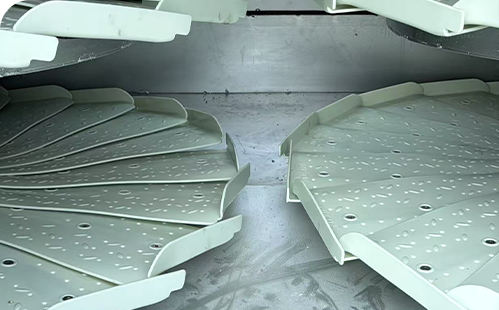
A2: Conventional linear vulcanizing machines require very long body length to guarantee sufficient vulcanization time, occupying large workshop space. Many devices suffer serious heat leakage, high energy consumption and uneven internal temperature‑humidity, which cause inconsistent shaping quality among batches. ACL‑DH277 uses double‑helix multi‑layer disc track. It extends effective processing time within shorter overall machine length to boost output. Closed inner‑circulation air system plus thickened inner‑tank insulation reduce heat loss, and optimize internal temperature‑humidity uniformity for stable vulcanizing quality.
Q3: What are the full core competitive advantages of this model?
A3:
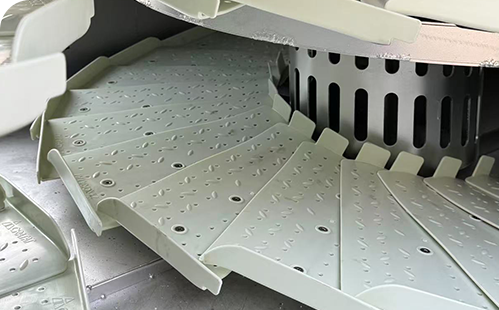
- Double‑helix multi‑layer disc track innovation design: Extend vulcanization processing time in compact footprint; improve vulcanizing effect and raise production capacity while shortening overall machine length, saving workshop space;
- Energy‑saving & environmental‑friendly closed inner‑circulation system: Built‑in circulation fan realizes enclosed hot‑air & steam circulation inside cavity; thickened inner‑tank insulation layer minimizes heat loss, cuts energy consumption;
- Optimized hot‑air diversion structure: Special air duct layout forms stable and even internal airflow; each area of shoe material gets uniform heating to obtain consistent shaping effect;
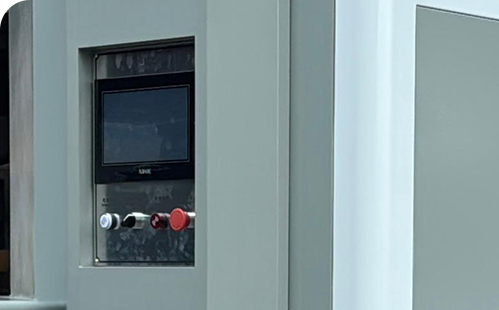
- PLC automatic control: Automated running, easy operation, convenient maintenance, reliable for long‑term continuous production.
二. Core Mechanism Technical FAQs
Q4: What are the key functional modules of ACL‑DH277?
A4:
- Double‑helix multi‑layer disc spiral conveying track: Extend material processing residence time;
- Closed inner‑circulation fan assembly: Realize internal circulation of hot air and steam;
- Hot‑air diversion & air‑duct system: Guarantee uniform heating inside cavity;
- Thick‑insulation‑layer inner tank: Reduce heat dissipation loss;
- PLC control system: Realize automatic equipment operation.
Q5:What practical production value does ACL‑DH277 bring?
A5:The spiral track solves the contradiction between sufficient vulcanization time and limited workshop space. Closed circulation and thick insulation lower power consumption. Uniform heating improves consistency of shoe hardness and dimensional stability for mass‑batch production. PLC‑driven automatic operation reduces operator skill requirements.
III. Câu hỏi thường gặp về các thông số kỹ thuật đầy đủ
Q6: What are the full official specifications of ACL‑DH277?
A6:‑ Model: ACL‑DH277 Spiral Vulcanizing Machine
‑ Power supply: 380V / 50Hz / 3‑Phases
‑ Total Power: 21 KW
‑ Overall Machine Dimension: 4200 mm × 1400 mm × 2020 mm
‑ Net Weight: 1243 KG
四.On‑Site Installation & Environment Matching FAQs
Q7: What power, space and environmental requirements before installation?
A7:
- Power supply: Stable three‑phase 380V power source with sufficient power capacity; reliable grounding for electrical safety;
- Space: Reserve ≥1.5‑meter operating and maintenance clearance on all sides, especially for material inlet & outlet;
- Environment: Well‑ventilated workshop; avoid heavy dust to protect fan, heating and control components;
- Ground: Flat and high‑strength load‑bearing ground to bear heavy machine weight.
五.Standard Startup & Production Operation SOP FAQs
Q8: What is the complete standardized operating procedure from power‑on to mass‑production?
A8:
- Pre‑startup inspection: Check power‑supply grounding; inspect door sealing condition, spiral track for foreign‑body blockage; test emergency‑stop function; check fan rotation status;
- Power‑on: Switch on main power supply via PLC touch‑screen; set vulcanizing temperature, humidity and processing residence‑time parameters according to shoe‑material requirements; pre‑heat cavity to target process condition;
- Idle test run: Execute full spiral circulation without workpieces; check for abnormal noise, steam / heat leakage, track jamming; verify internal temperature‑humidity stability;
- Sample debugging: Feed shoe‑material workpieces; complete full spiral‑track processing cycle; fine‑tune temperature, humidity and dwell‑time until vulcanizing quality (hardness, dimensional stability) meets factory standards;
- Formal mass‑production: Continuously feed shoe materials at the inlet; perform random sampling inspection for finished shoes during each shift; monitor machine running status;
- Shift‑end shutdown: Stop feeding workpieces; wait for all materials to finish processing and exit the cavity; stop heating and steam source; keep circulation fan running for cooling; cut off main power after temperature drops; clean track and cavity interior.
六.Common Abnormality & Trouble‑Shooting Tips FAQs
Q9: What frequent‑seen faults may happen in daily workshop, and quick check points for operators?
A9:
• Phenomenon 1: Uneven vulcanization effect, inconsistent shoe hardness / dimensional stability
Check points: Check sealing condition for heat‑steam leakage; inspect circulation‑fan working status; verify hot‑air duct for blockage; recheck temperature‑humidity & dwell‑time parameters.
• Phenomenon 2: Spiral‑track conveying jamming
Check points: Clear foreign debris inside spiral track; inspect drive‑transmission components.
• Phenomenon 3: Slow temperature rise / large temperature deviation inside cavity
Check points: Inspect heating‑element performance; check door & cavity‑wall sealing for heat loss; check circulation‑fan failure.
• Phenomenon 4: Machine cannot start or respond on PLC panel
Check points: Confirm power‑supply and emergency‑stop reset state; check alarm information on HMI.
⚠️ Warning: Do not open high‑temperature cavity door in running status to prevent scald hazard. Do not disassemble spiral‑track, fan, heating assemblies without professional‑technical guidance. Contact supplier‑technical‑support for complex faults.
七.Tiered Complete Routine Maintenance FAQs
Q10: What maintenance items need to be done daily / weekly / monthly / quarterly?
A10:
✅Daily (before and after each production shift):
Clean shoe debris inside spiral track and cavity; inspect door sealing strips; test emergency‑stop function; check circulation‑fan abnormal noise; inspect heat‑steam leakage.
✅Weekly:
Add lubricant for spiral‑track transmission parts; tighten loose mechanical screws; clean dust of electric‑cabinet heat‑dissipation openings.
✅Monthly:
Calibrate temperature‑humidity parameters; inspect wear of sealing strips and transmission components; check heating‑element operating status.
✅Quarterly:
Evaluate vulcanizing quality by sample testing; comprehensively inspect circulation fan, spiral‑drive system and PLC control module; replace heavily‑aged sealing accessories.
八. Delivered Accessories & Technical Documents FAQs
Q11: What items will be delivered together with the machine?
A11:
- Technical documents (paper hard‑copy + PDF electronic version): Complete English‑language operation manual, circuit / air‑duct schematic diagrams, spare‑parts list and common‑fault‑troubleshooting manual.
- Standard delivered accessories: A full set of standard‑tool kit for daily‑machine adjustment and maintenance work.
九. Warranty Scope & After‑Sales Technical Support FAQs
Q12: What is the exact warranty scope, and which parts are excluded?
A12:12‑month full‑machine warranty for non‑consumable parts.
Consumable‑wearing parts excluded from warranty: cavity sealing strips, fan blades, spiral‑track wearing parts, heating elements. Damage caused by mis‑operation and over‑temperature operation is not covered by warranty.
Q13: What after‑sales technical services are provided?
A13:
- Remote‑video debugging and remote‑fault‑diagnosis service;
- Online‑operator‑operation‑skill‑training guidance; door‑to‑door on‑site service can be arranged as required;
- Lifelong spare‑parts supply at factory‑cost price for customer follow‑up replacement.
Supplementary safety note: The internal cavity works at high‑temperature and high‑humidity; strictly comply with anti‑scald operation specifications and guarantee workshop ventilation.