ASFROM Tabletop Shoe Lacing Machine FAQ
ASFROM Tabletop Shoe Lacing Machine FAQ
Tabletop Shoe Lacing Machine Base Q&A
一.Product Application FAQs
Q1: What production‑process is the AF‑302 table‑type pneumatic shoelace lacing fixture used for?
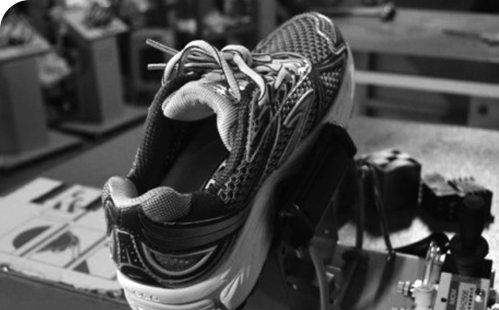
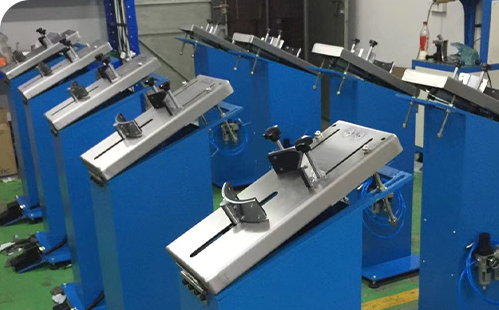
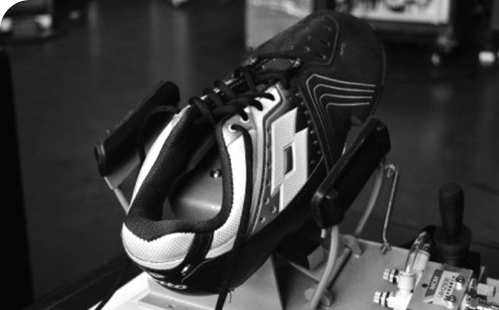
A1: AF‑302 is a bench‑top pneumatic auxiliary fixture for shoelace‑threading operations in shoe factories. It is suitable for sports shoes, football boots, ice‑skating shoes and other lace‑equipped footwear. It supports processing for both semi‑finished uppers and post‑molding finished shoes. The fixture is placed directly on the existing workbench for operation, aiming to improve shoelace‑threading efficiency. It is driven purely by compressed air and does not require electric power for core clamping action.
二. Core Features & Advantages FAQs
Q2: What operational and productivity benefits does this table‑top pneumatic fixture bring?
A2:
- Pneumatic clamping fixture replaces manual hand‑holding of shoe uppers, effectively relieving operator fatigue.
- Simple pneumatic handle‑operated workflow; production capacity increases by about one‑third compared with fully‑manual lacing work.
- Ultra‑compact and lightweight table‑top design. Easy to move, transport and install, only needs to be placed on workshop workbenches.
- Dual‑scene applicability: works for lacing of bare semi‑finished uppers as well as for molded finished shoes.
- Flexible working posture: operators can choose either sitting posture for comfortable handle‑driven operation or standing posture according to workbench height and personal habits.
三. Complete Technical Parameters FAQs
Q3:What are the complete official specifications of AF‑302?
A3:
| Item | Specification |
|---|---|
| Model | AF‑302 Table Type Pneumatic Shoelace Lacing Fixture |
| Driving Source | Compressed air, operating air pressure: 4‑6 KGS |
| Overall dimensions (L×W×H) | 270 × 360 × 230 mm |
| Net Weight | 6 KG |
四.On‑Site Installation & Environment Matching FAQs
Q4: What pre‑conditions are required before installation?
A4:‑ Air supply: Provide stable compressed‑air source, adjust working pressure within 4‑6 KGS. Install air filter‑regulator unit to supply clean and dry compressed air. No electric power is required for core clamping function.
‑ Space allocation: Place steadily on flat workshop workbench. Reserve sufficient front operating space for sitting or standing lacing work.
‑ Environment: Ordinary shoe‑factory workshop environment is acceptable; avoid heavy‑dust and corrosive surroundings to extend service life of pneumatic cylinders and sealing elements.
五.Standard Startup & Production Operation SOP FAQs
Q5: What is complete standardized operating procedure from air‑supply connection to mass‑production?
A5:
- Pre‑start‑up inspection: Connect compressed‑air pipeline. Check air‑pipe joints for air leakage. Test handle‑driven clamping action for smooth movement. Check clamping jaws for foreign‑object jamming.
- Air‑supply setup: Adjust pressure regulator and set working air pressure to 4‑6 KGS.
- Sample debugging: Put shoe upper / finished shoe into clamping position. Operate handle to trigger pneumatic clamping. Verify the upper is firmly fixed without crushing or deformation. Adjust air pressure if clamping force is too loose or too high. Release handle to open jaws.
- Formal mass‑production: Operators can sit or stand according to workbench height. Clamp workpiece by operating handle, complete shoelace threading with both hands, release handle to take out finished shoe and repeat cycles.
- Shift‑end shutdown: Cut off compressed‑air supply, exhaust residual pressure in pneumatic circuit. Wipe clamping jaws to clear shoe scraps and dust.
⚠️ Safety warning: Do not place fingers inside clamping jaws during clamping movement to prevent pinching injury. Never set working air pressure above 6 KGS to avoid fixture damage or workpiece crushing.
六.Common Abnormality & Trouble‑Shooting Tips FAQs
Q6: What frequent‑seen faults may happen in daily workshop, and quick check points for operators?
A6:
• Phenomenon 1: Weak clamping force, cannot hold shoe upper tightly Check points: Confirm working pressure stays within 4‑6 KGS; inspect pipe joints for air leakage; remove foreign objects stuck in clamping jaws; check cylinder seals for aging and air leak.
• Phenomenon 2: No clamping response when operating the handle Check points: Confirm air‑supply valve is fully open; inspect handle‑operated pneumatic valve for blockage or damage; check pipeline for severe air‑leakage.
• Phenomenon 3: Clamping jaw cannot reset after releasing handle Check points: Clean shoe scraps stuck in movable clamping components; inspect return‑spring performance; eliminate residual pressure inside cylinder.
⚠️ Warning: Operators shall NOT disassemble pneumatic cylinder and internal valve components without professional‑technical guidance. Contact supplier‑technical‑support for complex faults.
七.Tiered Complete Routine Maintenance FAQs
Q7: What maintenance items need to be done daily / weekly / monthly?
A7:
✅Daily (before and after each production shift) Clean clamping jaws and handle assembly to remove shoe scraps and dust; check air‑pipe joints for leakage; perform several clamping‑release test cycles.
✅Weekly Tighten loose mounting screws; inject small‑dose pneumatic lubricating oil at cylinder inlet; inspect flexible connections of handle valve.
✅Monthly Full inspection of cylinder sealing rings, handle valve and whole air pipeline; replace aged sealing parts in case of obvious air‑leakage.
八. Delivered Accessories & Technical Documents FAQs
Q8: What items will be delivered together with the machine?
A8:
- Technical documents (paper hard‑copy + PDF electronic version): Complete English‑language operation manual, pneumatic circuit schematic diagram, spare‑parts list and common‑fault‑troubleshooting manual.
- Standard delivered accessories: A full set of standard‑tool kit for daily‑machine adjustment and maintenance work; quick‑connect air‑pipe fittings.
Q9: What after‑sales technical services are provided?
A9:
- Remote‑video debugging and remote‑fault‑diagnosis service.
- Online‑operator‑operation‑skill‑training guidance; door‑to‑door on‑site service can be arranged as required.
- Lifelong spare‑parts supply at factory‑cost price for customer follow‑up replacement.
- Process‑technical support: assist customers to adjust air‑pressure setting for different shoe‑upper thickness and material hardness.
Supplementary note: This table‑top fixture works purely on compressed air, no electric power is needed for core clamping. Always keep operating pressure between 4‑6 KGS.