
ASFROM Shoe Sole Cooling Machine FAQ
ASFROM Shoe Sole Cooling Machine FAQ
Shoe Sole Cooling Machine Base Q&A
一.Product Application FAQs
Q1: What production‑process is the ACL‑DC278 spiral chiller machine designed for?
A1: ACL‑DC278 is a spiral‑type shoe freeze‑setting machine, specially used for freeze‑shaping procedures of men’s, women’s and children’s footwear. It applies rapid low‑temperature treatment to freshly pressed shoes to lock shoe contours, restrain post‑process deformation, and stabilize finished‑shoe three‑dimensional shape. It is deployed on footwear assembly lines for continuous mass production after sole‑pressing or hot‑setting stations.
二. Core Features & Advantages FAQs
Q2: What benefits does its twin‑spiral conveying‑track structure bring?
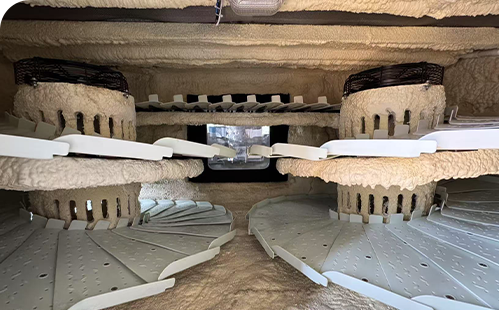
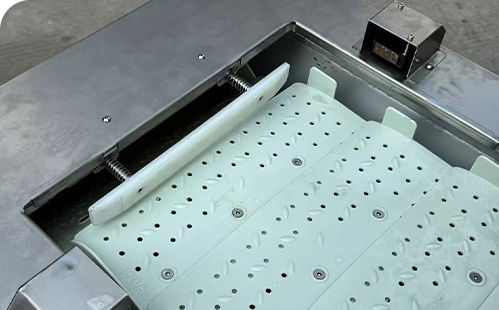
A2: It adopts internal twin‑spiral rail layout. Within limited floor footprint, it realizes maximum conveying length up to 17.3 meters. Longer in‑machine dwell‑time enables sufficient and thorough low‑temperature freezing for each shoe piece. The closed spiral path guarantees consistent cold‑air contact for every workpiece, improving overall freeze‑setting quality without occupying excessive factory floor area. Anti‑jump and anti‑jam chain design keeps conveying movement smooth and reduces chain‑stuck downtime.
Q3: What is the performance of its dual‑unit refrigeration system?
A3: Equipped with dual independent refrigeration hosts, the machine delivers powerful cooling capacity for fast temperature pull‑down. It meets high‑volume continuous production demands. Built‑in automatic defrost device reduces frost accumulation on evaporator surfaces, preserves refrigeration efficiency and cuts extra energy consumption caused by heavy frost layers.
Q4: How does it achieve uniform internal temperature distribution?
A4:A high‑efficiency internal‑circulation fan system drives cold air circulating inside the closed cavity, which balances temperature across all zones and lowers temperature deviation inside the chamber. The inner tank is coated with high‑performance thermal‑insulation material to minimize cold‑loss outward, realizing energy‑saving stable operation.
Q5: What functions does the intelligent control system provide?
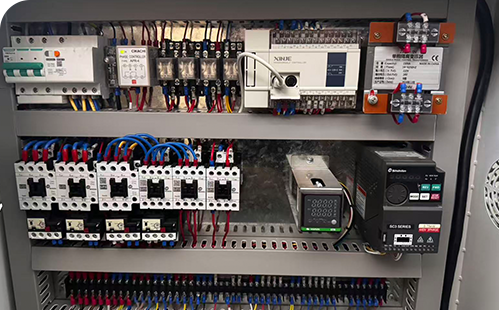
A5:It is equipped with human‑machine touch‑screen interface. The system automatically collects and stores running data. Operators can switch monitoring interfaces to view real‑time status of refrigeration units, fan, chain conveyor, temperature and defrost cycles. Simple interface logic facilitates equipment status review and production‑data management.
三. Complete Technical Parameters FAQs
Q6: What are the complete official specifications of ACL‑DC278?
എ6:
| Item | Specification |
|---|---|
| Model | ACL‑DC278 Spiral Chiller Machine |
| Power supply | 380V / 50Hz / 3‑Phases |
| Installed Power | 18 KW |
| Overall dimensions (L×W×H) | 3800 × 1400 × 2100 mm |
| Net Weight | 1324 KG |
4. ഓൺ-സൈറ്റ് ഇൻസ്റ്റാളേഷൻ & പരിസ്ഥിതിക്ക് യോജിക്കൽ - പതിവുചോദ്യങ്ങൾ
Q7: What pre‑conditions are required before installation?
A7:‑ Power supply: Stable three‑phase 380V power circuit with enough load capacity; reliable protective earthing is mandatory.
‑ Space allocation: Reserve ≥1.5‑meter clearance on all four sides, especially at inlet‑outlet positions for loading/unloading. Keep adequate rear‑side ventilation space for refrigeration‑unit heat dissipation.
‑ Environment: Workshop ambient temperature should not be excessively high; avoid humid and heavily‑dust locations to protect refrigeration compressors, fans and electrical components.
‑ Floor: Flat, high‑strength solid concrete ground to bear heavy machine weight and suppress vibration during long‑time continuous operation.
5.സാധാരണ സ്റ്റാർട്ടപ്പ് & ഉത്പാദന പ്രവർത്തന SOP പതിവുചോദ്യങ്ങൾ
Q8: What is complete standardized operating procedure from power‑on to mass‑production?
എ8:
- Pre‑start‑up inspection: Check power‑supply grounding; inspect chain for foreign‑body jamming; test emergency‑stop function; confirm fan and refrigeration‑unit are in normal standby status; close all insulated access doors tightly.
- Power‑on & parameter setup: Switch on main power, enter HMI interface; set target freeze temperature and shoe dwell‑time according to shoe‑material requirements; start refrigeration system to pre‑cool inner cavity until stable process temperature is reached.
- Idle test‑run: Execute full spiral‑conveying empty cycles; observe chain running status, check for abnormal noise, and verify automatic defrost triggering logic.
- Sample debugging: Feed sample shoe workpieces into the inlet; complete whole spiral circulation. Evaluate freeze‑setting effect; fine‑tune temperature and dwell‑time parameters until shoe shape‑fixing performance meets factory‑internal standards.
- Formal mass‑production: Continuously feed shoes at machine inlet. Perform random sampling inspection each shift to check anti‑deformation effect. Monitor real‑time equipment running data on touch‑screen.
- Shift‑end shutdown: Stop workpiece feeding; wait for all shoes to finish spiral circulation and exit the cavity. Stop refrigeration compressors first. Keep circulation fan running for post‑run ventilation. Cut‑off main power after cavity temperature rises moderately. Clean chain and inner‑cavity residues.
⚠️ Safety warning: Do not open insulated cavity access‑doors while refrigeration units are working; avoid frostbite from low‑temperature internal environment.
6. സാധാരണമായ അസാധാരണതകളും പരിഹാര മാർഗ്ഗങ്ങളും - പതിവുചോദ്യങ്ങൾ
Q9:What frequent‑seen faults may happen in daily workshop, and quick check points for operators?
എ9:
• Phenomenon 1: Poor freeze‑setting effect, shoes tend to deform after processing Check points: Verify set temperature and dwell‑time parameters; inspect door sealing for cold‑air leakage; check whether automatic defrost fails leading to heavy frost on evaporator; confirm circulation‑fan normal rotation.
• Phenomenon 2: Spiral‑conveying‑chain jumps or jams Check points: Clear shoe scraps and foreign debris inside spiral track; inspect chain‑tension degree and transmission‑component wear condition.
• Phenomenon 3: Cavity temperature drops slowly or cannot reach target low‑temperature Check points: Check refrigeration‑host working status; inspect door‑seal aging causing cold leakage; check excessive frost accumulation; check condenser dust‑build‑up affecting heat dissipation.
• Phenomenon 4: Touch‑screen displays alarm and equipment locks partial functions Check points: Read alarm code on HMI; inspect sensors of temperature, defrost and chain‑position; troubleshoot according to alarm prompt, then reset system.
⚠️ Warning: Operators shall NOT disassemble refrigeration compressors, refrigerant piping, internal fan assemblies without professional‑technical guidance. Contact supplier‑technical‑support for complex faults.
7.തട്ടുകളായി ക്രമീകരിച്ച പൂർണ്ണമായ ദിനചര്യ പരിപാലനത്തെക്കുറിച്ചുള്ള പതിവുചോദ്യങ്ങൾ
Q10: എന്തെല്ലാം അറ്റകുറ്റപ്പണികൾ ദിവസേന / ആഴ്ചതോറും / മാസത്തിലൊരിക്കൽ / പാദത്തിലൊരിക്കൽ ചെയ്യേണ്ടതുണ്ട്?
എ പത്ത്:
✅Daily (before and after each production shift) Clean shoe scraps on spiral chain and cavity‑inner surfaces; inspect door sealing strips; test emergency‑stop function; observe fan and refrigeration‑unit abnormal noise; check for cold‑leakage at door seams.
✅Weekly Add lubricant for spiral‑chain transmission parts; tighten loose mechanical screws; clear dust on condenser and electric‑cabinet heat‑dissipation vents.
✅Monthly Calibrate cavity‑temperature reading; inspect wear condition of chain and sealing strips; check operating status of refrigeration hosts and automatic defrost components.
✅Quarterly Carry‑out freeze‑setting‑quality sample test; comprehensive inspection of spiral‑drive assembly, refrigeration system, circulation‑fan and PLC control module; replace heavily‑aged sealing accessories.
8. വിതരണം ചെയ്ത ആക്സസറികളും സാങ്കേതിക രേഖകളും - പതിവുചോദ്യങ്ങൾ
ചോദ്യം 11: മെഷീനോടൊപ്പം ഏതൊക്കെ ഇനങ്ങളാണ് ഡെലിവർ ചെയ്യുക?
എ11:
- Technical documents (paper hard‑copy + PDF electronic version): Complete English‑language operation manual, circuit diagram, refrigeration‑system schematic diagram, spare‑parts list and common‑fault‑troubleshooting manual.
- Standard delivered accessories: A full set of standard‑tool kit for daily‑machine adjustment and maintenance work.
9. വാറന്റി പരിധിയും വിൽപ്പനാനന്തര സാങ്കേതിക പിന്തുണയും - പതിവുചോദ്യങ്ങൾ
Q12: What is the exact warranty scope, and which parts are excluded?
A12:12‑month full‑machine warranty for non‑consumable parts, calculated from goods arrival at buyer’s premises.
Consumable‑wearing parts excluded from warranty: door sealing strips, conveying‑chain wearing components, fan blades, refrigeration‑system filter elements. Damage caused by mis‑operation, bad‑ventilation installation‑environment and unauthorized disassembly is not covered under warranty.
ചോദ്യം 13: വിൽപ്പനാനന്തര സാങ്കേതിക സേവനങ്ങൾ എന്തൊക്കെയാണ് നൽകുന്നത്?
എ പതിമൂന്ന്:
- Remote‑video debugging and remote‑fault‑diagnosis service.
- Online‑operator‑operation‑skill‑training guidance; door‑to‑door on‑site service can be arranged as required.
- ഉപഭോക്താക്കൾക്ക് പിന്നീട് മാറ്റിസ്ഥാപിക്കുന്നതിനുള്ള ഫാക്ടറി വിലയിൽ ആജീവനാന്ത സ്പെയർ പാർട്സ് വിതരണം.
- Process‑technical support: assist customers to optimize freeze‑temperature and dwell‑time parameters for various shoe‑material constructions.
Supplementary safety note: The inner cavity runs at low‑temperature; strictly comply with anti‑frostbite operation specifications and guarantee workshop ventilation.