ASFOM Shoe Freezing Machine FAQ
ASFOM Shoe Freezing Machine FAQ
Shoe Freezing Machine Base Q&A
一.Product Application FAQs
Q1: What production‑process is the AS‑885 high‑speed chiller machine used for?
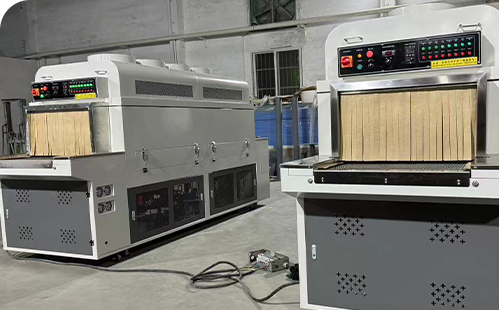
A1:AS‑885 is an inline continuous‑pass high‑speed freeze‑setting machine for footwear factories. It performs rapid low‑temperature shaping for all kinds of finished shoes after sole‑pressing. It stabilizes shoe contour, eliminates rebound‑deformation defects and improves finished‑shoe appearance quality. It fits high‑volume assembly‑line production scenarios.
二. Core Features & Advantages FAQs
Q2: What are its thermal‑insulation and structural strengths?
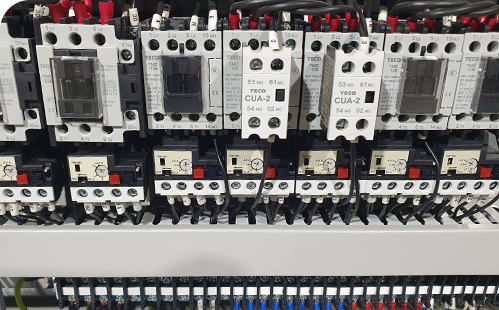
A2: The inlet and outlet are each equipped with 5‑layer thermal‑insulation cotton for excellent heat‑insulating performance, paired with one‑piece formed air ducts to reduce cold‑loss. It features compact overall footprint for space‑saving, convenient movement and easy‑access maintenance. Manufactured complying with international CE safety standards, it integrates multiple safety‑protection interlocks to lower failure probability
Q3: How does its over‑flow fan refrigeration system work?
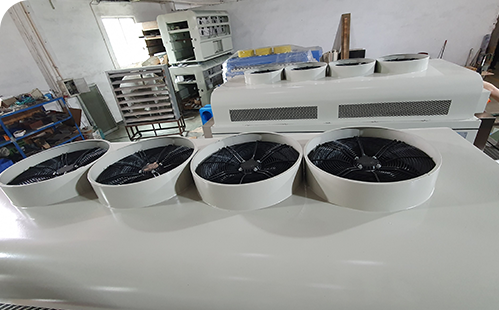
A3:It adopts dual‑compressor refrigeration configuration together with over‑flow fan design for high heat‑exchange efficiency. Fan motors can keep high‑speed rotation under low‑temperature working conditions. Cold‑air penetrates fully into shoe uppers. The machine can rapidly drop internal temperature below 0℃. Upper‑side exhaust structure delivers good heat dissipation; evaporators are arranged at lower position for longer shoe‑contact duration and larger contact area to achieve reliable shaping results.
Q4: What are the benefits of its conveying system?
A4:It uses stainless‑steel mesh conveyor belt, which resists water accumulation, guarantees smooth cold‑air circulation and realizes energy‑saving operation.
三. Complete Technical Parameters FAQs
Q5: What are the complete official specifications of AS‑885?
A5:
| Item | Specification |
|---|---|
| Model | AS‑885 High‑speed Chiller Machine |
| Refrigeration Configuration | Dual compressor refrigeration, 5HP*2, 7.5KW |
| Total Installed Power | 9.0 KW |
| Product entry opening dimension | 365 × 780 mm |
| 8‑Hour Production Capacity | 3000‑3800 Pairs |
| Operating temperature range | ‑20℃ ~ +5℃ |
| Overall dimensions (L×W×H) | 3500 × 1200 × 1940 mm |
四.On‑Site Installation & Environment Matching FAQs
Q6: What pre‑conditions are required before installation?
A6:‑ Power supply: Match factory power‑supply specification; reliable protective earthing is mandatory. Do not share earth wire with water‑pipes or gas‑pipes. It is recommended to install a non‑fuse circuit‑breaker for circuit‑fault protection.
‑ Space allocation: Reserve ≥60 cm clearance at front / rear sides for operation; keep ≥60 cm side clearance for heat dissipation and maintenance.
‑ Environment: Place on flat, solid horizontal ground. Workshop shall be well‑ventilated; avoid heavy‑dust surroundings.
‑ Pre‑commissioning check: Tighten all mechanical screws especially on moving assemblies; verify phase sequence consistency of power‑supply wiring.
五.Standard Startup & Production Operation SOP FAQs
Q7: What is complete standardized operating procedure from power‑on to mass‑production?
A7:
- Pre‑start‑up inspection: Check power‑supply and earthing status; inspect conveyor mesh‑belt condition; test emergency‑stop button; check for loose mechanical fasteners.
- Power‑on & parameter setup: Close the non‑fuse breaker inside control cabinet, turn on main power switch. Press start button to activate compressors, fans and blower units. Enable conveyor switch. Adjust conveyor timing parameters and set target operating temperature according to shoe‑material characteristics.
- Idle test‑run: Run several empty cycles. Observe status indicator lamps for fans, compressors, blower and conveyor; confirm fan forward‑reversal switching logic works normally, no abnormal noise.
- Sample debugging: Feed sample shoes onto mesh‑belt inlet. Evaluate freeze‑setting quality. Fine‑tune temperature and dwell‑time parameters until shaping effect meets factory‑internal standards.
- Formal mass‑production: Continuously feed shoes. Observe real‑time status lights; perform random sampling inspection each shift.
- Shift‑end shutdown: Stop feeding workpieces. Turn off conveyor switch, press stop button for refrigeration units, switch off panel power and cabinet breaker. Clean mesh‑belt and filter elements.
⚠️ Safety warning: Never place hands or head inside machine chamber during operation. Trigger emergency‑stop in case of abnormality; rotate the button in indicated arrow‑direction to unlock after troubleshooting.
六.Common Abnormality & Trouble‑Shooting Tips FAQs
Q8:What frequent‑seen faults may happen in daily workshop, and quick check points for operators?
A8:
• Phenomenon 1: Main unit cannot start Check points: Confirm power supply connection; inspect loose / damaged electrical wiring; check drive‑motor and reducer condition; verify rear‑door micro‑switch triggering status.
• Phenomenon 2: Compressor fails to start Check points: Inspect compressor solenoid‑coil for burnout; check for compressor overload tripping; reset overload protection if triggered.
• Phenomenon 3: Compressor runs but no refrigeration, high‑pressure tripping Check points: Clean heavily‑fouled condenser / heat‑exchanger and reset high‑pressure protection switch; inspect refrigeration‑circuit leakage (needs professional repair for welding, vacuum‑pumping and refrigerant refilling).
• Phenomenon 4: Heavy frost‑build‑up on evaporator, poor cooling performance Check points: Adjust defrost‑interval and defrost‑duration parameters; perform manual defrost operation; clear blocked circulating air‑duct and suction filter net; avoid setting temperature excessively low.
• Phenomenon 5: Abnormal loud machine noise Check points: Adjust mesh‑belt position to eliminate edge‑rubbing; inspect loose transmission‑components; check bearing wear status and replenish lubricant as needed.
• Phenomenon 6: Conveyor mesh‑belt does not run Check points: Check solenoid‑valve overload‑trip status; inspect conveyor‑timer setting or damage condition.
⚠️ Warning: Operators shall NOT disassemble compressors, refrigerant piping and internal electrical assemblies without professional‑technical guidance. Contact supplier‑technical‑support for complex faults.
七.Tiered Complete Routine Maintenance FAQs
Q9: What maintenance items need to be done daily / weekly / monthly?
A9:
✅Daily (before and after each production shift) Check ventilation condition; verify switches and electric‑components work normally; keep machine and stainless‑steel mesh‑belt clean; check water‑kettle liquid level; clean filter screen; shut‑down all power after finishing work.
✅Weekly Inspect motor and reducer running status; add lubricant for bearings and chains; check electric‑cabinet terminals for loose connections; thoroughly clean filter and foreign debris on mesh‑belt.
✅Monthly Check machine surface for paint‑peeling and rust; inspect compressor operating condition; check chain tension and looseness; test equipment for electric‑leakage risk.
八. Delivered Accessories & Technical Documents FAQs
Q10:What items will be delivered together with the machine?
A10:
- Technical documents (paper hard‑copy + PDF electronic version): Complete English‑language operation manual, electrical schematic diagram, refrigeration‑system schematic diagram, spare‑parts list and common‑fault‑troubleshooting manual.
- Standard delivered accessories: A full set of standard‑tool kit for daily‑machine adjustment and maintenance work.
九. Warranty Scope & After‑Sales Technical Support FAQs
Q11: What is the exact warranty scope, and which parts are excluded?
A11: 12‑month full‑machine warranty for non‑consumable parts, calculated from goods arrival at buyer’s premises.
Consumable‑wearing parts excluded from warranty: stainless‑steel mesh conveyor belt, filter elements, sealing components, fan blades. Damage caused by mis‑operation, poor installation‑ventilation environment and unauthorized disassembly is not covered under warranty.
Q12: What after‑sales technical services are provided?
എ12:
- Remote‑video debugging and remote‑fault‑diagnosis service.
- Online‑operator‑operation‑skill‑training guidance; door‑to‑door on‑site service can be arranged as required.
- Lifelong spare‑parts supply at factory‑cost price for customer follow‑up replacement.
- Process‑technical support: assist customers to optimize temperature and conveying‑timing parameters for diverse shoe‑material constructions.
Supplementary note: This machine complies with CE safety requirements. Operators shall fully study operation manual before commissioning.