
ASFROM Outsole Wrinkle Removal Machine FAQ
ASFROM Outsole Wrinkle Removal Machine FAQ
Outsole Wrinkle Removal Machine Base Q&A
一.Product Application FAQs
Q1: What production process is the ASZ‑288 conveying outsole wrinkle‑removal machine used for?
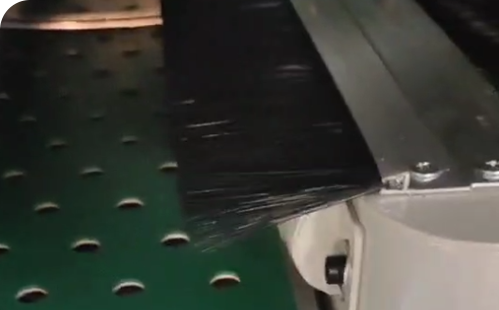
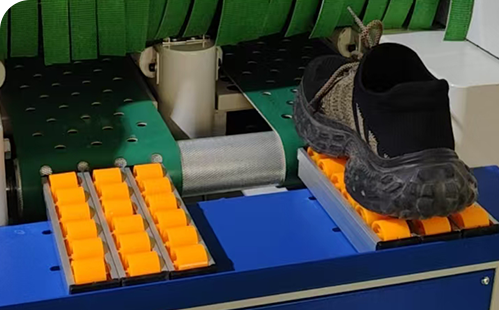
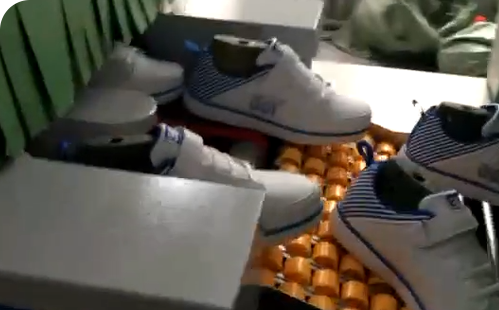
A1:The ASZ‑288 is a tunnel‑type outsole wrinkle removing machine for footwear factories. Its core application is eliminating wrinkles generated on outsoles after high‑pressure sole‑pressing operations. It is widely applied for all kinds of shoe styles, especially mass‑produced sports footwear. Featuring conveyor‑chain inline‑connect design, it can be integrated directly onto existing shoe‑making production lines, serving as post‑pressing finishing station to improve outsole surface appearance quality.
二.Core Features & Advantages FAQs
Q2: What are the advantages of its inline conveyor‑chain structure compared with traditional wrinkle‑removal equipment?
A2: Traditional wrinkle‑removal machines require manual loading and transferring workpieces between individual stations. ASZ‑288 adopts pulley‑driven chain conveyor for assembly‑line docking. It can connect seamlessly with upstream sole‑pressing machines and downstream subsequent‑process equipment. Manual workpiece‑transfer steps are eliminated, saving labour equivalent to about two workers, raising overall line throughput and reducing human‑caused scratch risks on outsoles.
Q3: How does its hot‑air reflux system guarantee wrinkle‑removal quality?
A3: It implements mature hot‑air reflux technology. Heating tubes generate heat, blowers circulate hot air, and air ducts guide hot‑air flow back inside the oven chamber. This creates stable, even temperature distribution throughout the working tunnel. High‑temperature jet airflow acts on outsole surfaces to smooth press‑induced wrinkles effectively. After thermal treatment, the glue lines on outsoles will not rebound, maintaining stable finished‑product appearance.
Q4:What are its energy‑saving and safety‑oriented design highlights?
A4:Equipped with micro heat‑source unit, the machine achieves rapid heating while restraining violent temperature fluctuation, realizing obvious energy‑saving performance. Outer‑layer full‑coverage thermal‑insulation structure prevents operator scald accidents, meanwhile it reduces internal heat dissipation loss and extends service life of internal heating and electrical components.
Q5: How flexible is parameter adjustment for different shoe‑material types?
A5:Operators can adjust processing temperature according to diverse outsole material characteristics. For rubber, EVA and composite‑material soles, corresponding temperature settings can be configured to acquire optimal wrinkle‑removal effect without damaging out‑sole surface texture.
三. Complete Technical Parameters FAQs
Q6: What are the complete official specifications of ASZ‑288?
എ6:
| Item | Specification |
|---|---|
| Model | ASZ‑288 Conveying Shoe Outsole Wrinkle Remove Machine |
| Power supply | 380V / 50Hz / 3‑Phases |
| Installed Power | 12 KW |
| Overall dimensions (L×W×H) | 1380 × 720 × 1240 mm |
| Net Weight | 240 KG |
4. ഓൺ-സൈറ്റ് ഇൻസ്റ്റാളേഷൻ & പരിസ്ഥിതിക്ക് യോജിക്കൽ - പതിവുചോദ്യങ്ങൾ
Q7: What pre‑conditions are required before installation?
A7:‑ Power supply: Stable three‑phase 380V power circuit with sufficient capacity; reliable protective earthing is mandatory.
‑ Line‑layout space: Align machine in‑feed / out‑feed conveyor height with adjacent upstream and downstream production‑line equipment. Reserve adequate operating clearance at both ends for workpiece flow, plus ≥0.8‑meter maintenance space on sides.
‑ Environment: Well‑ventilated workshop; avoid heavy‑dust surroundings to protect heating tubes, blowers and control‑system components.
‑ Floor: Flat and solid ground to sustain machine weight and reduce vibration during conveyor running.
5.സാധാരണ സ്റ്റാർട്ടപ്പ് & ഉത്പാദന പ്രവർത്തന SOP പതിവുചോദ്യങ്ങൾ
Q8: What is complete standardized operating procedure from power‑on to mass‑production?
എ8:
- Pre‑start‑up inspection: Check power‑supply grounding; inspect conveyor‑chain running condition; confirm no foreign‑object inside hot‑air oven chamber; test temperature‑control module function.
- Power‑on & preheating: Switch on main power supply; set target temperature according to outsole material; start heating system and pre‑heat oven until temperature stabilizes at set value.
- Idle test‑run: Start conveyor‑chain for several no‑load cycles, check for abnormal noise of blower and chain transmission, confirm temperature maintains steady state.
- Sample debugging: Feed real outsole workpieces through the tunnel. Evaluate wrinkle‑removal and glue‑line performance. Fine‑tune temperature and conveyor speed until finished‑part quality meets factory internal standards.
- Formal mass‑production: Workpieces flow continuously from upstream equipment onto machine inlet. Carry out random sampling inspection regularly, check wrinkle elimination result and whether glue‑line rebound occurs.
- Shift‑end shutdown: Stop feeding workpieces, wait for all pieces to finish passing through oven chamber. Shut down heating unit first, keep blower running a period for cooling. Cut off main power after equipment cools down. Clean conveyor and oven inner residues.
⚠️ Safety warning: Do not open oven protective covers during high‑temperature working cycle to prevent scald injury.
6. സാധാരണമായ അസാധാരണതകളും പരിഹാര മാർഗ്ഗങ്ങളും - പതിവുചോദ്യങ്ങൾ
Q9: ദൈനംദിന വർക്ക്ഷോപ്പിൽ സാധാരണയായി കാണുന്ന തകരാറുകൾ എന്തൊക്കെയാണ്, ഓപ്പറേറ്റർമാർക്കുള്ള വേഗത്തിലുള്ള പരിശോധനാ പോയിന്റുകൾ എന്തൊക്കെയാണ്?
എ9:
• Phenomenon 1: Poor wrinkle‑removal effect, glue‑line rebounds Check points: Verify set‑temperature matches outsole material; inspect blower operation and hot‑air‑duct for blockage; check whether conveyor speed is too fast for insufficient thermal exposure time.
• Phenomenon 2: Oven temperature cannot rise or temperature fluctuates violently Check points: Inspect heating‑tube working status; check temperature‑controller parameter setting; inspect sealing & thermal‑insulation layer for heat loss.
• Phenomenon 3: Conveyor‑chain does not run or jams Check points: Check driving‑motor and transmission parts; clear rubber scraps and foreign‑objects stuck in chain track.
• Phenomenon 4: Excessive power consumption Check points: Check thermal‑insulation layer damage causing heat leakage; verify temperature‑controller drifting leading to over‑heating.
⚠️ Warning: Operators shall NOT disassemble heating tubes, blowers and internal electrical components without professional‑technical guidance. Contact supplier‑technical‑support for complex faults.
7.തട്ടുകളായി ക്രമീകരിച്ച പൂർണ്ണമായ ദിനചര്യ പരിപാലനത്തെക്കുറിച്ചുള്ള പതിവുചോദ്യങ്ങൾ
Q10:What maintenance items need to be done daily / weekly / monthly / quarterly?
എ പത്ത്:
✅Daily (before and after each production shift) Clean rubber scraps and debris on conveyor chain and oven inlet‑outlet; observe blower and chain for abnormal noise; check temperature‑control display reading.
✅Weekly Lubricate conveyor‑chain transmission components; tighten loose mechanical screws; clear dust accumulated on heating‑tube surface and control‑cabinet heat‑dissipation vents.
✅Monthly Calibrate temperature‑controller reading; inspect thermal‑insulation shell for damage and heat leakage; check chain wear condition.
✅Quarterly Full inspection of heating tubes, blowers and drive‑motor assemblies; comprehensive check of electrical‑circuit terminals; replace severely worn conveyor‑chain accessories.
8. വിതരണം ചെയ്ത ആക്സസറികളും സാങ്കേതിക രേഖകളും - പതിവുചോദ്യങ്ങൾ
ചോദ്യം 11: മെഷീനോടൊപ്പം ഏതൊക്കെ ഇനങ്ങളാണ് ഡെലിവർ ചെയ്യുക?
എ11:
- Technical documents (paper hard‑copy + PDF electronic version): Complete English‑language operation manual, electrical schematic diagram, spare‑parts list and common‑fault‑troubleshooting manual.
- Standard delivered accessories: A full set of standard‑tool kit for daily‑machine adjustment and maintenance work.
9. വാറന്റി പരിധിയും വിൽപ്പനാനന്തര സാങ്കേതിക പിന്തുണയും - പതിവുചോദ്യങ്ങൾ
Q12: What is the exact warranty scope, and which parts are excluded?
A12:12‑month full‑machine warranty for non‑consumable parts, calculated from goods arrival at buyer’s site.
Consumable‑wearing parts excluded from warranty: heating tubes, conveyor‑chain components, thermal‑insulation cotton. Damage caused by mis‑operation, over‑temperature running and foreign‑object impact is not covered under warranty.
ചോദ്യം 13: വിൽപ്പനാനന്തര സാങ്കേതിക സേവനങ്ങൾ എന്തൊക്കെയാണ് നൽകുന്നത്?
എ പതിമൂന്ന്:
- Remote‑video debugging and remote‑fault‑guidance service.
- Online‑operator‑operation‑skill‑training guidance; door‑to‑door on‑site service can be arranged as required.
- ഉപഭോക്താക്കൾക്ക് പിന്നീട് മാറ്റിസ്ഥാപിക്കുന്നതിനുള്ള ഫാക്ടറി വിലയിൽ ആജീവനാന്ത സ്പെയർ പാർട്സ് വിതരണം.
- Process‑technical support: assist customers to optimize temperature and conveyor‑speed parameters for different outsole materials.
Supplementary note: The machine is designed for inline assembly‑line production; proper height alignment with upstream‑downstream equipment is required during installation.