
ASFROM Shoe Vulcanizing Machine FAQ
ASFROM Shoe Vulcanizing Machine FAQ
Shoe Vulcanizing Machine Base Q&A
ഒന്ന്. അപേക്ഷയും വിപണിയിലെ സ്ഥാനവും സംബന്ധിച്ച പതിവ് ചോദ്യങ്ങൾ
Q1: What shoe‑making processing scenarios is ACL‑A168 vulcanization molding machine suitable for?
A1: ACL‑A168 is a vulcanization setting machine for shoe‑making lines. It can act as transition equipment between shoe forming assembly‑line and sole cementing production‑line. It realizes vulcanization shaping for toe, mid‑tarsal, heel and other positions of various shoes. It is mainly oriented to flexible‑production demands of small‑and‑medium‑size shoe factories, supports continuous single‑shift or two‑shift mass‑production. Customized dimension options are available for different shoe‑lasts and output requirements.
ചോദ്യം 2: ഷൂ ഫാക്ടറികളുടെ എന്ത് പ്രധാന പ്രശ്നങ്ങളാണ് ഈ ഉപകരണത്തിന് പരിഹരിക്കാൻ കഴിയുക?
A2: Traditional direct‑heat baking process easily causes local over‑heating of uppers, resulting in decreased fabric flexibility and damaged surface gloss. Many setting equipment lack flexible adjustment for temperature and production tact, difficult to match diverse shoe‑material characteristics. Some equipment cannot well dock between forming line and sole‑bonding station. ACL‑A168 adopts hot‑air‑steam convection technology to eliminate upper internal stress without damaging upper appearance. It supports adjustable temperature and timing‑speed parameters, and serves as intermediate connection for front‑and‑back production lines to improve overall line‑throughput.
ചോദ്യം 3: ഈ മോഡലിന്റെ പൂർണ്ണമായ പ്രധാന മത്സരപരമായ നേട്ടങ്ങൾ എന്തൊക്കെയാണ്?
എ3:
- High‑efficiency combined shaping craft: High‑temperature steam + dry hot‑air dual‑action rapidly softens uppers, shortens molding cycle for mass‑production;
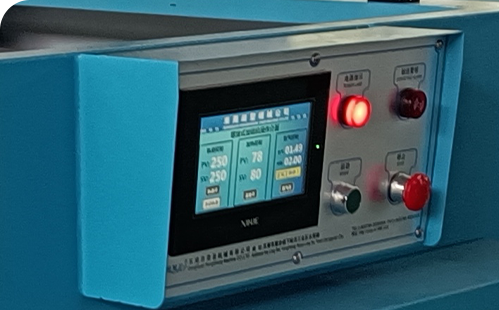
- Precise adjustable temperature‑control system: Max working temperature up to 200℃, freely set temperature for different shoe‑materials to guarantee stable shaping quality;
- Intelligent timing‑speed control: Built‑in timer to adjust equipment operating speed, adapt to varied production‑rhythm;
- Stainless‑steel hot‑chamber & convection thermodynamic design: High‑speed hot‑air and steam convection removes upper internal stress, makes shoes fit shoe‑last better; avoids drawbacks of local over‑heating from traditional direct baking;
- Flexible customization: Machine overall dimensions can be tailor‑made, fits various shoe‑last specifications, well‑suited for small‑and‑medium shoe‑factory flexible‑production.
二. Core Mechanism Technical FAQs
Q4:What are the key functional modules of ACL‑A168?
എ4:
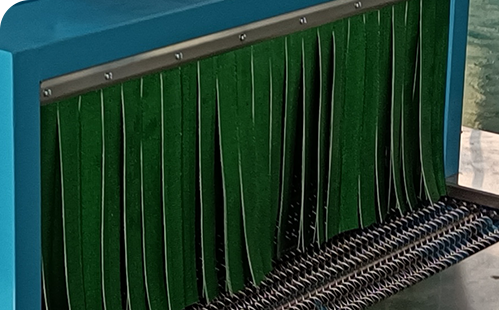
- Special stainless‑steel hot chamber: Main heating & convection processing cavity;
- High‑temperature steam & hot‑air convection unit: Realize dual‑effect softening treatment for shoe uppers;
- Adjustable temperature controller: Maximum adjustable temperature up to 200℃;
- Built‑in timing control module: Adjust conveying / processing speed to match production beat.
Q5: What practical production value does ACL‑A168 bring?
A5:It works as transition station linking forming line and sole‑bonding line. Convection heating eliminates upper internal stress without hurting upper gloss and flexibility. Adjustable temperature and speed adapt multi‑material shoe production, and custom sizes satisfy small‑medium factories’ flexible‑manufacturing requirements.
III. സാങ്കേതിക പാരാമീറ്റർ പതിവുചോദ്യങ്ങൾ
Q6: What are the full official specifications of ACL‑A168?
A6:‑ Model: ACL‑A168 Vulcanization Molding Machine
‑ പവർ സപ്ലൈ: 380V / 50Hz / 3-ഫേസ്
‑ Total Power: 13 KW
‑ Adjustable Operating Temperature: Up to 200 ℃
‑ Overall Machine Dimension: 3500 mm × 960 mm × 1660 mm
4. ഓൺ-സൈറ്റ് ഇൻസ്റ്റാളേഷൻ & പരിസ്ഥിതിക്ക് യോജിക്കൽ - പതിവുചോദ്യങ്ങൾ
Q7: ഇൻസ്റ്റാൾ ചെയ്യുന്നതിന് മുൻപ് എന്തെല്ലാം വൈദ്യുത, സ്ഥല, പാരിസ്ഥിതിക ആവശ്യകതകളാണുള്ളത്?
എ7:
- Power supply: Stable three‑phase 380V power source with enough power capacity; reliable grounding connection for electrical‑safety protection;
- Space: Reserve ≥1.5‑meter clearance at machine two ends and sides for loading‑unloading, maintenance; reserve space for docking with front‑rear production‑line;
- Environment: Workshop requires good ventilation; avoid heavy‑dust environment to protect heating components;
- Ground: Flat and solid ground to bear machine weight.
5.സാധാരണ സ്റ്റാർട്ടപ്പ് & ഉത്പാദന പ്രവർത്തന SOP പതിവുചോദ്യങ്ങൾ
Q8: പവർ-ഓൺ മുതൽ ബഹുళ ഉത്പാദനം വരെയുള്ള സമ്പൂർണ്ണ നിലവാരീകൃത പ്രവർത്തന നടപടിക്രമം എന്താണ്?
എ8:
- Pre‑startup inspection: Check power‑supply grounding; inspect stainless‑steel hot‑chamber sealing status; test emergency‑stop function; check steam and hot‑air convection components for blockage;
- Power‑on: Switch on main power supply; set processing temperature, timer / conveying‑speed parameters according to shoe‑material characteristics; pre‑heat hot chamber to target temperature;
- Idle test run: Run without work‑pieces; check for abnormal noise, steam / heat leakage, confirm temperature reaches set‑value;
- Sample debugging: Feed finished uppers for test processing; fine‑tune temperature and running‑speed until vulcanization‑shaping quality meets factory‑internal‑standards;
- Formal mass‑production: Continuously feed work‑pieces, realize transition between forming‑line and sole‑bonding‑process; random sampling check upper shaping effect, gloss and flexibility;
- Shift‑end shutdown: Stop heating system firstly; keep fan running for cooling; cut off main power after chamber temperature drops; clean chamber interior dirt.
6. സാധാരണമായ അസാധാരണതകളും പരിഹാര മാർഗ്ഗങ്ങളും - പതിവുചോദ്യങ്ങൾ
Q9: ദൈനംദിന വർക്ക്ഷോപ്പിൽ സാധാരണയായി കാണുന്ന തകരാറുകൾ എന്തൊക്കെയാണ്, ഓപ്പറേറ്റർമാർക്കുള്ള വേഗത്തിലുള്ള പരിശോധനാ പോയിന്റുകൾ എന്തൊക്കെയാണ്?
എ9:
• Phenomenon 1: Poor shaping effect, upper internal‑stress not eliminated
Check points: Verify temperature & timer‑speed setting; inspect steam‑hot‑air convection component for blockage; check hot‑chamber sealing for heat loss.
• Phenomenon 2: Upper surface gloss drop / flexibility decrease
Check points: Lower processing temperature or shorten heating duration; avoid local over‑heating; check convection air‑flow status.
• Phenomenon 3: Temperature cannot rise or temperature deviation is large
Check points: Inspect heating element working condition; check temperature‑sensor; inspect chamber sealing.
• Phenomenon 4: Conveying / running speed abnormal
Check points: Check timer parameter setting; inspect transmission‑mechanism for jamming.
⚠️ Warning: Do not open hot‑chamber door during high‑temperature working cycle to prevent scald hazard. Do not disassemble heating, steam‑convection assemblies without professional‑technical guidance. Contact supplier‑technical‑support for complex faults.
7.തട്ടുകളായി ക്രമീകരിച്ച പൂർണ്ണമായ ദിനചര്യ പരിപാലനത്തെക്കുറിച്ചുള്ള പതിവുചോദ്യങ്ങൾ
Q10: എന്തെല്ലാം അറ്റകുറ്റപ്പണികൾ ദിവസേന / ആഴ്ചതോറും / മാസത്തിലൊരിക്കൽ / പാദത്തിലൊരിക്കൽ ചെയ്യേണ്ടതുണ്ട്?
എ പത്ത്:
✅ദിവസേന (ഓരോ പ്രൊഡക്ഷൻ ഷിഫ്റ്റിനും മുമ്പും ശേഷവും):
Clean residues inside stainless‑steel hot chamber; check chamber sealing; test emergency‑stop function; inspect steam and hot‑air passages for blockage.
✅പ്രതിവാരം:
Lubricate transmission moving‑parts; tighten loose mechanical screws; clean dust on heating‑element and heat‑dissipation openings of electric cabinet.
✅പ്രതിമാസം:
Calibrate temperature‑controller and timing‑speed parameters; inspect sealing‑parts aging condition; check heating‑component working performance.
✅ത്രൈമാസികം:
Carry‑out sample evaluation for vulcanization‑shaping quality; comprehensively inspect steam‑hot‑air convection assembly, electrical‑circuit terminals; replace seriously aged sealing accessories.
8. വിതരണം ചെയ്ത ആക്സസറികളും സാങ്കേതിക രേഖകളും - പതിവുചോദ്യങ്ങൾ
ചോദ്യം 11: മെഷീനോടൊപ്പം ഏതൊക്കെ ഇനങ്ങളാണ് ഡെലിവർ ചെയ്യുക?
എ11:
- Technical documents (paper hard‑copy + PDF electronic version): Complete English‑language operation manual, circuit & steam‑convection schematic diagram, spare‑parts list and common‑fault‑troubleshooting manual; include description for custom‑specification options.
- Standard delivered accessories: A full set of standard‑tool kit for daily‑machine adjustment and maintenance work.
九.Warranty Scope & After‑Sales Technical Support FAQs
Q12: What is the exact warranty scope, and which parts are excluded?
A12: ഉപഭോഗവസ്തുക്കൾ അല്ലാത്ത ഭാഗങ്ങൾക്ക് 12 മാസത്തെ ഫുൾ മെഷീൻ വാറന്റി.
Consumable‑wearing parts excluded from warranty: chamber sealing strips, heating components, convection nozzles. Damage caused by mis‑operation, high‑temperature over‑run is not covered under warranty.
ചോദ്യം 13: വിൽപ്പനാനന്തര സാങ്കേതിക സേവനങ്ങൾ എന്തൊക്കെയാണ് നൽകുന്നത്?
എ പതിമൂന്ന്:
- റിമോട്ട് വീഡിയോ ഡീബഗ്ഗിംഗും റിമോട്ട് ഫോൾട്ട് ഗൈഡൻസ് സേവനവും;
- ഓൺലൈൻ ഓപ്പറേറ്റർ പ്രവർത്തന വൈദഗ്ദ്ധ്യ പരിശീലന മാർഗ്ഗനിർദ്ദേശം; ആവശ്യാനുസരണം വീടുകളിൽ നേരിട്ടുള്ള സേവനം ക്രമീകരിക്കാവുന്നതാണ്;
- Lifelong spare‑parts supply at factory‑cost price for customer follow‑up replacement;
- Technical support for customized‑size modification demands.
Supplementary safety note: Working chamber reaches high temperature; strictly follow anti‑scald operating specifications; ensure workshop ventilation.