
ASFROM Automatic Glue Brushing Machine FAQ
ASFROM Automatic Glue Brushing Machine FAQ
Automatic Glue Brushing Machine Base Q&A
ഒന്ന്. അപേക്ഷയും വിപണിയിലെ സ്ഥാനവും സംബന്ധിച്ച പതിവ് ചോദ്യങ്ങൾ
Q1: What shoe‑making processing scenarios is AW‑100 dual‑purpose glue brushing machine suitable for?
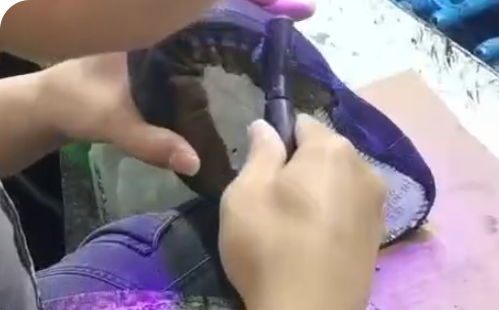
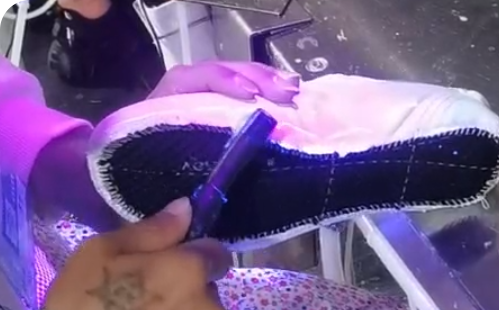
A1: AW‑100 is a pneumatic glue‑brushing workstation for shoe factories. It supports water‑based glue, oil‑based glue and high‑concentration chemical liquid medicine. It is compatible with multiple shoe‑making raw materials: fabric, rubber, leather, paper, EVA and PVC. It is widely deployed on assembly‑line gluing stations and sample‑room working positions, adapting to single‑shift continuous production.
ചോദ്യം 2: ഷൂ ഫാക്ടറികളുടെ എന്ത് പ്രധാന പ്രശ്നങ്ങളാണ് ഈ ഉപകരണത്തിന് പരിഹരിക്കാൻ കഴിയുക?
A2: Traditional manual glue‑dipping‑and‑brushing operation causes excessive glue consumption, volatile glue fumes pollute workshop air and harm operator health. Glue inside open containers is easy to skin over, thicken and deteriorate, which brings unstable bonding strength and material waste. Repeated dipping‑gluing steps lower working efficiency. AW‑100 adopts closed‑tank structure with foot‑pedal glue output. It saves glue consumption, avoids glue surface solidification and deterioration, improves working efficiency and optimizes workshop air quality.
ചോദ്യം 3: ഈ മോഡലിന്റെ പൂർണ്ണമായ പ്രധാന മത്സരപരമായ നേട്ടങ്ങൾ എന്തൊക്കെയാണ്?
എ3:
- High‑efficiency operation: Cancel repeated glue‑dipping procedure, raise working efficiency by over 8%; simple operation, friendly for novice operators;
- Glue‑saving & environmental‑friendly: Save 20% PU glue consumption and 8% water‑based glue consumption; reduce volatile gas emission to improve workshop environment and protect operator health;
- Corrosion‑resistant stainless‑steel glue‑tank: Equipped with glue‑level visual tube for intuitive glue‑volume monitoring; quick‑open lid shortens glue‑filling time;
- Closed‑type glue‑storage design: Prevent glue surface crusting, concentration rising, glue deterioration; guarantee stable coating performance and bonding pulling‑strength, reduce adhesive waste;
- Foot‑pedal adjustable glue output: Adjust glue‑discharge volume on demand; stop glue output without residual glue to avoid material waste;
- Compact and light‑weight unit, small footprint, easy to install and relocate on production lines.
二.Core Mechanism Technical FAQs
Q4: What are the key functional modules of AW‑100?
എ4:
- Sealed stainless‑steel glue storage tank: Anti‑corrosion, prevent glue from skinning and deterioration; fitted with visual glue‑level observation tube and quick‑open filling lid;
- Pneumatic glue‑supply assembly: Driven by compressed air;
- Foot‑pedal glue‑dispensing control: Adjust glue output flow according to processing requirements.
Q5: What practical production value does this machine bring?
A5:It cuts adhesive material cost via glue‑saving design. Closed‑tank structure prolongs usable life of remaining glue. Foot‑pedal control frees one hand for workpiece positioning, improves actual gluing throughput and consistency for shoe‑material bonding procedures.
III. സാങ്കേതിക പാരാമീറ്റർ പതിവുചോദ്യങ്ങൾ
Q6:What are the full official specifications of AW‑100?
A6:‑ Model: AW‑100 Water‑based/Oil‑based Dual‑purpose Glue Brushing Machine
‑ Working Air Pressure: 5 KG/cm²
‑ Overall Machine Dimension: 325 mm × 325 mm × 650 mm
‑ Net Weight: 19.65 KG
‑ Gross Weight: 21.75 KG
4. ഓൺ-സൈറ്റ് ഇൻസ്റ്റാളേഷൻ & പരിസ്ഥിതിക്ക് യോജിക്കൽ - പതിവുചോദ്യങ്ങൾ
Q7: ഇൻസ്റ്റാൾ ചെയ്യുന്നതിന് മുൻപ് എന്തെല്ലാം വൈദ്യുത, സ്ഥല, പാരിസ്ഥിതിക ആവശ്യകതകളാണുള്ളത്?
എ7:
- Air source: Stable compressed‑air supply at working pressure 5 KG/cm²;
- Space: Reserve ≥0.8‑meter operating clearance for operator movement, glue‑filling and tank cleaning;
- Environment: Well‑ventilated workshop; keep away from open flame, since solvent‑containing glue is flammable;
- Ground: Flat workshop desktop or workbench for stable machine placement.
5.സാധാരണ സ്റ്റാർട്ടപ്പ് & ഉത്പാദന പ്രവർത്തന SOP പതിവുചോദ്യങ്ങൾ
Q8: What is the complete standardized operating procedure from power‑on to work completion?
എ8:
- Pre‑startup inspection: Check compressed‑air pressure reaches 5 KG/cm²; inspect air‑pipe joints for air‑leakage; confirm tank sealing condition; clean residual old glue inside tank;
- Material filling: Open quick‑open lid, pour in qualified water‑based / oil‑based glue or high‑concentration liquid medicine; observe liquid level via visual tube; close lid tightly to guarantee sealing;
- Air supply: Switch on compressed‑air source; perform foot‑pedal test‑glue‑output, fine‑tune glue‑discharge flow to meet process requirement;
- Formal production: Operate foot‑pedal to control glue output when gluing shoe‑materials; perform spot‑check for glue‑coating effect during production;
- Shift‑end shutdown: Cut off compressed‑air supply; clean glue‑tank, pipelines and brushing‑parts; keep tank properly sealed if residual glue is stored inside.
6. സാധാരണമായ അസാധാരണതകളും പരിഹാര മാർഗ്ഗങ്ങളും - പതിവുചോദ്യങ്ങൾ
Q9: ദൈനംദിന വർക്ക്ഷോപ്പിൽ സാധാരണയായി കാണുന്ന തകരാറുകൾ എന്തൊക്കെയാണ്, ഓപ്പറേറ്റർമാർക്കുള്ള വേഗത്തിലുള്ള പരിശോധനാ പോയിന്റുകൾ എന്തൊക്കെയാണ്?
എ9:
• Phenomenon 1: No glue output when stepping on foot pedal
Check points: Verify air‑source pressure; inspect pipeline blockage caused by cured glue; check foot‑pedal pneumatic‑valve working condition.
• Phenomenon 2: Glue leaks from tank lid position
Check points: Inspect sealing‑gasket aging or foreign‑object dirt; re‑tighten lid.
• Phenomenon 3: Glue output volume is unstable
Check points: Confirm stable air‑pressure; check partial pipeline clogging; inspect glue‑liquid viscosity change.
• Phenomenon 4: Glue skins / deteriorates quickly inside tank
Check points: Confirm lid is fully closed; inspect sealing‑gasket damage.
⚠️ Warning: Work‑site ventilation must be guaranteed for solvent‑based oil‑glue operation; keep far away from fire sources. Wear corresponding chemical‑resistant protective gear. Do not disassemble pneumatic and tank sealing assemblies without professional‑technical guidance. Contact supplier‑technical‑support for complex faults.
7.തട്ടുകളായി ക്രമീകരിച്ച പൂർണ്ണമായ ദിനചര്യ പരിപാലനത്തെക്കുറിച്ചുള്ള പതിവുചോദ്യങ്ങൾ
Q10: What maintenance items need to be done daily / weekly / monthly?
എ പത്ത്:
✅ദിവസേന (ഓരോ പ്രൊഡക്ഷൻ ഷിഫ്റ്റിനും മുമ്പും ശേഷവും):
Clean residual glue on glue‑tank interior and glue‑output components; check air‑pressure; inspect tank‑lid sealing performance; inspect air‑pipe joints for air‑leakage.
✅പ്രതിവാരം:
Completely clean glue‑tank and glue‑supply pipelines to prevent glue solidification‑blockage; check aging condition of sealing gaskets; fasten loose pneumatic‑pipe fittings.
✅പ്രതിമാസം:
Comprehensively inspect foot‑pedal pneumatic‑valve working performance; replace severely aged sealing‑gaskets; clean up internal pipeline glue deposits.
8. വിതരണം ചെയ്ത ആക്സസറികളും സാങ്കേതിക രേഖകളും - പതിവുചോദ്യങ്ങൾ
Q11:What items will be delivered together with the machine?
എ11:
- Technical documents (paper hard‑copy + PDF electronic version): Complete English‑language operation manual, pneumatic schematic diagram, spare‑parts list and common‑fault‑troubleshooting manual;
- Standard delivered accessories: Standard tool kit for daily maintenance.
9. വാറന്റി പരിധിയും വിൽപ്പനാനന്തര സാങ്കേതിക പിന്തുണയും - പതിവുചോദ്യങ്ങൾ
ചോദ്യം 12: വാറന്റിയുടെ കൃത്യമായ പരിധി എന്താണ്, ഏതൊക്കെ ഭാഗങ്ങളാണ് ഇതിൽ നിന്ന് ഒഴിവാക്കിയിരിക്കുന്നത്?
A12: ഉപഭോഗവസ്തുക്കൾ അല്ലാത്ത ഭാഗങ്ങൾക്ക് 12 മാസത്തെ ഫുൾ മെഷീൻ വാറന്റി.
Consumable‑wearing parts excluded from warranty: sealing gaskets, foot‑pedal pneumatic‑valve, glue‑output nozzle, air‑pipe fittings. Damage caused by corrosive glue / improper cleaning is not covered under warranty.
ചോദ്യം 13: വിൽപ്പനാനന്തര സാങ്കേതിക സേവനങ്ങൾ എന്തൊക്കെയാണ് നൽകുന്നത്?
എ പതിമൂന്ന്:
- റിമോട്ട് വീഡിയോ ഡീബഗ്ഗിംഗും റിമോട്ട് ഫോൾട്ട് ഗൈഡൻസ് സേവനവും;
- ഓൺലൈൻ ഓപ്പറേറ്റർ പ്രവർത്തന വൈദഗ്ദ്ധ്യ പരിശീലന മാർഗ്ഗനിർദ്ദേശം; ആവശ്യാനുസരണം വീടുകളിൽ നേരിട്ടുള്ള സേവനം ക്രമീകരിക്കാവുന്നതാണ്;
- ഉപഭോക്താക്കൾക്ക് പിന്നീട് മാറ്റിസ്ഥാപിക്കുന്നതിനുള്ള ഫാക്ടറി വിലയിൽ ആജീവനാന്ത സ്പെയർ പാർട്സ് വിതരണം.
Supplementary safety note: Oil‑based glue contains volatile flammable solvent; strictly prohibit open fire near operating station, ensure workshop exhaust‑ventilation works normally.