
ASFROM Automa Balance Heel Lasting Machine FAQ
ASFROM Automa Balance Heel Lasting Machine FAQ
Automa Balance Heel Lasting Machine Base Q&A
一.Application & Market Positioning FAQs
Q1: What shoe styles and production scenarios is AB‑662 auto balance heel lasting machine suitable for?
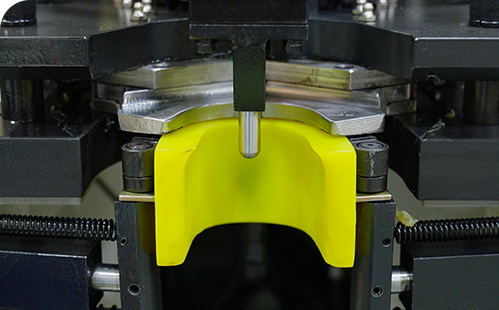
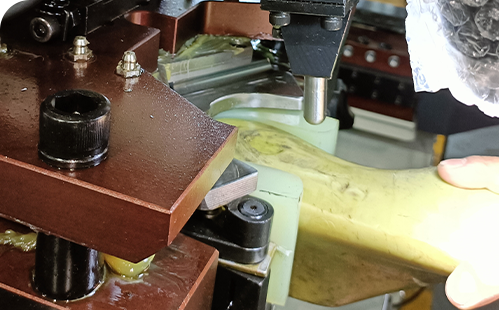
A1: AB‑662 is an upgraded hydraulic heel lasting machine rebuilt on the basis of traditional heel‑lasting equipment. It integrates variable‑trajectory wiper and upper‑foot extrusion lasting technology, focusing on high‑grade lasting quality requirements. It supports mass‑production of leather shoes, sports shoes, children’s shoes and high‑top hiking shoes. It is widely applied in medium‑and‑large shoe factories for mixed‑order production, and adapts to single‑shift or two‑shift high‑intensity continuous assembly‑line production.
Q2: What core pain points of shoe factories can this equipment solve?
A2:Conventional heel lasting machines are easy to generate “double‑eyelid” heel‑fold defects. Shoe‑last seat is prone to position offset under long‑time hydraulic impact, leading to uneven force on upper material and unstable finished‑shoe consistency. For irregular or special‑shape shoe lasts, manual repeated fine‑tuning is required, raising operator skill requirements. Scattered wiring circuits bring difficult troubleshooting and long production halt. AB‑662 is equipped with last‑seat self‑balancing structure, variable‑rail wiper and extrusion‑flattening mechanism. It reduces manual debugging workload, lowers reject rate for heel‑position defects, and modularized circuit greatly improves maintenance efficiency.
Q3: What are the full core competitive advantages of this model?
A3:
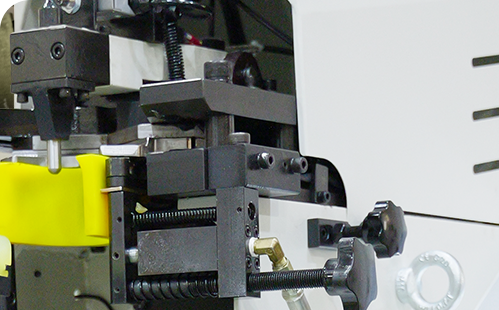
- Wiper variable‑track function: Independently adjust covering‑angle and pushing‑angle of wiper, perfectly fit different shoe‑last contours and upgrade lasting quality;
- Wide‑range last‑back height adjustment: Compatible with small children‑shoe lasts up to high‑top hiking‑shoe lasts, quick adaption for various heel‑height products;
- Extrusion side‑angle leveling mechanism: Effectively eliminate heel‑edge “double‑eyelid” folded defect and improve finished‑shoe qualification rate;
- Patented anti‑shift locating mechanism: Stable and precise positioning, resist position drifting caused by repeated hydraulic impact;
- Analog‑simulated multi‑point tensioner: Simulate delicate manual‑tensioning effect, enhance three‑dimensional shaping and fitting comfort of leather shoes;
- Last‑seat self‑balancing stock: Built‑in pressure sensors, automatically balance for offset or irregular shoe lasts to guarantee uniform upper stress;
- Circuit integrated modularization: Reduce wiring and connection points, quick module‑replacement for electrical faults, shorten downtime and maintenance cost.
二. Seven‑Group Core Special‑Skill Technical FAQs
Q4: What are the seven‑group core special‑skill functions of AB‑662?
A4:
- Wiper can‑change‑rail function: The wiper’s cover‑angle and push‑angle are independently adjustable, achieving perfect fitting with diverse shoe‑last outlines to improve heel lasting quality.
- Last‑back highest adjustment: Ultra‑wide height adjustment range, quickly adapt from small‑size children‑shoe lasts to high‑top hiking‑shoe lasts.
- Extrusion side‑angle leveling function: Unique mechanical extrusion and pressure‑control structure. Apply even pressure on upper‑foot area, effectively solve the “double‑eyelid” fold defect commonly‑seen in sports‑shoe production.
- Patented locating mechanism: Anti‑displacement structural design, overcome position‑drifting weakness of traditional machines, keep positioning accuracy during long‑time cyclic operation.
- Analog and true tensioner: Multi‑adjustable tightening points on tensioner. Precisely control tightening force and angle according to shoe‑last and upper‑material. Simulate manual‑binding subtle effect for leather‑shoe production, promote upper three‑dimensional sense and wearing fitness.
- Last‑self‑balance stock: Multiple built‑in pressure sensors monitor last‑placing status and stress data in real‑time. Automatically complete balance adjustment when shoe‑last shifts, ensure uniform upper stress, reduce lasting defects for special‑shape lasts.
- Circuit integrated modularization: Highly‑integrated electrical modules decrease wiring quantity and fault sources. Maintenance staff swap faulty modules directly instead of complex line‑by‑line inspection, greatly improve repair efficiency and guarantee production continuity.
Q5: What practical value do these core functions bring for mass‑production lines?
A5:Variable‑track wiper and extrusion‑flattening mechanism cut heel‑edge reject rate. The self‑balancing last‑seat lowers debugging difficulty for irregular shoe lasts. Patented positioning structure stabilizes batch‑production consistency. Modular circuit minimizes unexpected downtime loss. This machine is especially fit for production lines with high requirements for heel‑part appearance quality.
三. Complete Technical Parameter FAQs
Q6: What are the full official specifications of AB‑662?
A6:‑ Model: AB‑662 Auto Balance Heel Lasting Machine
‑ Power supply: 380V / 50Hz / 3‑Phases
‑ Heating Power: 1000W
‑ Motor Power: 2HP
‑ 8‑Hour Production Capacity: 2500 Pairs
‑ Working Hydraulic Pressure: 30‑40KG/CM²
‑ Hydraulic Oil Tank Volume: 50 Liters
‑ Recommended Hydraulic Oil: 68# anti‑wear hydraulic oil (select 46# for cold‑climate workshops)
‑ Overall Machine Dimension: 1130 mm × 750 mm × 1450 mm
‑ Export Package Dimension: 1250 mm × 900 mm × 1600 mm
‑ Net Weight: 460 KG
四.On‑Site Installation & Environment Matching FAQs
Q7: What power, space and environmental requirements before installation?
A7:
- Power supply: Stable three‑phase 380V power source is required; reliable grounding connection must be completed for electrical‑safety protection;
- Space: Reserve at least 1.2‑meter operating clearance around the machine for operator movement and consumable‑part replacement;
- Environment: The workshop shall maintain good ventilation; avoid heavy‑dust and high‑humidity circumstance to protect hydraulic valve blocks and modular electrical components;
- Ground: Installation ground shall be flat and solid to bear machine weight, preventing equipment offset induced by long‑time vibration.
五.Standard Startup & Production Operation SOP FAQs
Q8: What is the complete standardized operating procedure from power‑on to mass‑production?
A8:
- Pre‑startup inspection: Check power‑supply grounding condition; confirm hydraulic‑oil level stays within normal scale; test emergency‑stop‑button validity; clean glue residues on wiper, tensioner and last‑seat surfaces;
- Power‑on: Switch on main power supply; adjust wiper track angle, last‑back height and hydraulic‑pressure knobs according to shoe‑last shape and upper‑material property;
- Idle test run: Execute multiple empty cycles without shoe last, check for abnormal noise, oil‑leakage or mechanical offset phenomenon; observe the action of self‑balance seat;
- Sample debugging: Place shoe last and upper on working station, produce test‑sample piece. Fine‑tune wiper angle, tension‑force and pressure parameters until heel‑lasting quality meets factory internal‑quality standards;
- Formal mass‑production: Launch batch production; operators conduct random‑sampling inspection focusing on heel‑edge flatness and upper fitting effect;
- Shift‑end shutdown: Clean surface glue residue; turn off heating function firstly, then stop main motor; cut off total power supply for long‑time off‑duty.
六.Common Abnormality & Trouble‑Shooting Tips FAQs
Q9: What frequent‑seen faults may happen in daily workshop, and quick check points for operators?
A9:
• Phenomenon 1: Shoe‑last position drifts, unstable heel lasting effect
Check points: Inspect patented positioning‑mechanism fastening state; check working status of last‑self‑balance seat; check whether hydraulic pressure fluctuates abnormally; fasten loose mechanical screws.
• Phenomenon 2: Heel‑edge “double‑eyelid” fold / poor fitting
Check points: Recheck wiper variable‑track angle setting; inspect tensioner clamping‑force; verify extrusion‑flattening‑mechanism adjustment position.
• Phenomenon 3: Upper tearing during heel‑lasting process
Check points: Verify whether hydraulic‑pressure value is over‑high; inspect tensioner clamping force; check for sharp burrs on wiper and mechanical contact parts.
• Phenomenon 4: Abnormal hydraulic‑pressure fluctuation
Check points: Confirm hydraulic‑oil liquid‑level; check pipeline joints for oil‑leakage; check oil aging & pollution degree.
• Phenomenon 5: Machine cannot execute action after triggering cycle
Check points: Confirm emergency‑stop reset status; check whether modular electrical‑plug‑ins are loose.
⚠️ Warning: Operators are forbidden to disassemble hydraulic‑valve blocks, self‑balance‑seat mechanism and internal‑electrical modular components without professional‑technical guidance. For complex faults, please contact supplier‑technical‑support team.
七.Tiered Complete Routine Maintenance FAQs
Q10: What maintenance items need to be done daily / weekly / monthly / quarterly?
A10:
✅Daily (before and after each production shift):
Clean glue residues on wiper, tensioner and last‑seat surfaces; check hydraulic‑oil level and pressure; test emergency‑stop‑button function; observe response status of last‑self‑balance seat.
✅Weekly:
Add lubricant to all moving‑guide shafts, wiper variable‑track mechanism and tensioner linkage; inspect all hydraulic‑pipe joints for oil‑leakage; clear dust of modular electrical‑cabinet heat‑dissipation openings; fasten mechanical fixing screws of positioning and self‑balance structure.
✅Monthly:
Calibrate hydraulic‑working‑pressure, wiper track‑angle and last‑back height adjustment mechanism; inspect wear status of wiper and tensioner accessories; check aging degree of hydraulic‑sealing rings.
✅Quarterly:
Carry out sample‑test for overall heel‑lasting forming performance; analyze oil‑pollution degree of hydraulic‑oil and replace hydraulic‑oil if necessary; comprehensively inspect sensor and balance‑adjustment function of last‑self‑balance seat, as well as each electrical‑modular connector.
八. Delivered Accessories & Technical Documents FAQs
Q11:What items will be delivered together with the machine?
A11:
- Technical documents (paper hard‑copy + PDF electronic version): Complete English‑language operation manual, hydraulic‑circuit schematic diagram, electrical‑modular schematic diagram, spare‑parts list and common‑fault‑troubleshooting manual;
- Standard delivered accessories: A full set of standard‑tool kit for daily‑machine adjustment and maintenance work.
九. Warranty Scope & After‑Sales Technical Support FAQs
Q12:What is the exact warranty scope, and which parts are excluded?
A12:12‑month full‑machine warranty for non‑consumable parts.
Consumable‑wearing parts excluded from warranty: wiper, tensioner accessories, hydraulic‑sealing rings.
Q13: What after‑sales technical services are provided?
A13:
- Remote‑video debugging and remote‑fault‑guidance service;
- Online‑operator‑operation‑skill‑training guidance; door‑to‑door on‑site service can be arranged as required;
- Lifelong spare‑parts supply at factory‑cost price for customer follow‑up replacement.