ASFROM Heel Lasting Machine FAQ
ASFROM Heel Lasting Machine FAQ
Heel Lasting Machine Base Q&A
一.Application & Market Positioning FAQs
Q1: What shoe styles and production scenarios is AB‑650 auto‑nailing heel lasting machine suitable for?
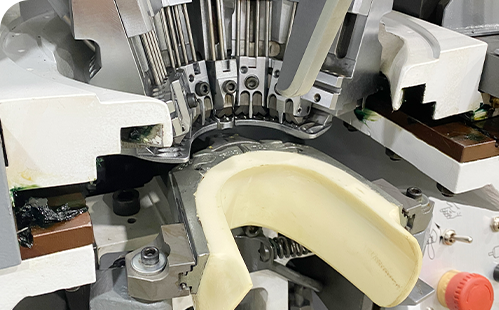
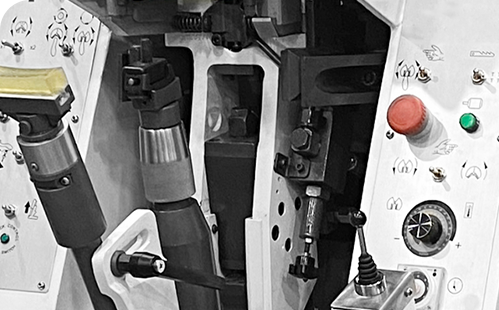
A1: AB‑650 is a professional rear‑heel lasting machine specially developed for high‑end footwear manufacturing. It is equipped with core automatic nailing function, widely used for mass‑production of high‑grade leather shoes, ice‑skating shoes and functional protective shoes. It fits medium‑and‑large shoe factories focusing on high‑quality finished‑shoe output, and adapts to single‑shift or two‑shift continuous assembly‑line production.
Q2: What core pain points of shoe factories can this equipment solve?
A2: Traditional heel‑lasting processes rely on rubber accessories to fix the shoe counter, which brings higher material cost and poor environmental‑friendliness. Conventional equipment is prone to common defects: heel opening deformation, counter offset, heel‑part “double‑eyelid” wrinkle, uneven upper stress and poor counter shaping effect. AB‑650 adopts automatic nailing structure to replace partial rubber‑fixing procedures, optimizes heel‑part forming quality, reduces reject rate of high‑grade shoes and cuts auxiliary‑material consumption.
Q3: What are the full core competitive advantages of this model?
A3:
- Core automatic nailing function, environmentally‑friendly production, improves counter shaping for high‑end & functional shoes;
- Last‑position self‑balancing seat body, guarantees even upper stress for special‑shoe‑last production;
- Multiple optimized heel‑lasting technologies including last‑return pulling and extrusion side‑angle leveling;
- Adjustable wiper and multi‑mode tightening mechanism, adapts to diverse shoe‑last contours;
- Modular integrated circuit design, stable hardware performance and convenient daily maintenance.
二. Core Mechanism & Special‑Skill Function FAQs
Q4:What are the highlights of the 8 special core functions?
A4:
- Auto‑nailing function: Essential for high‑grade and functional shoes. Fixes rear counter by nailing, restrains counter displacement, reduces heel‑opening deformation, optimizes counter plasticity; lowers rubber‑material usage for better environmental performance.
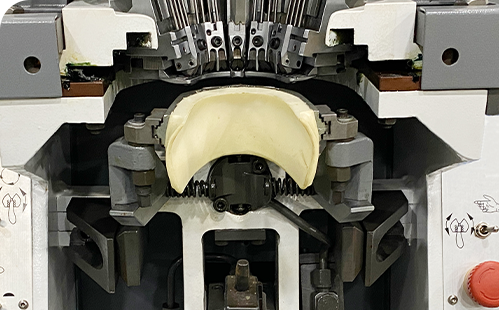
- Last‑self‑balancing stock: Built‑in multiple pressure sensors. Automatically adjusts balance when shoe‑last is offset, ensures uniform stress distribution of upper during lasting, reduces defects for irregular‑shape lasts.
- Extrusion side‑angle leveling function: Unique mechanical extrusion & pressure‑control structure. Eliminates heel‑part “double‑eyelid” wrinkle defect and raises finished‑shoe qualification rate.
- Last‑return function: Implements gentle‑but‑powerful upper‑pulling action, makes upper fit shoe‑last tightly and evenly, avoids wrinkles and offset for premium‑grade shoe production.
- Analog & real tensioner: Optimized by computer‑simulated tooling research, wide adaptability for various shoe‑last data.
- Wiper‑size adjust function: Wiper dimension can be adjusted according to shoe‑last shape, delivers ideal lasting effect and reduces frequency of wiper replacement.
- Full‑range pressure‑tightening mechanism: Supports multiple toe‑band modes for different shoe‑types to achieve optimal lasting performance.
- Circuit‑integrated modularization: Simplifies circuit layout, improves overall durability and greatly facilitates troubleshooting & maintenance work.
Q5: What optional extended functions can be matched?
A5:Optional accessories include middle‑support‑seat automatic forward‑backward moving mechanism, infrared glue‑positioning module, left‑&‑right foot automatic‑exchange function, double‑finger flat‑pressing component, low‑temperature‑hydraulic system etc. Customers can select modules according to shoe‑type and process requirements.
Q6: How does the machine perform under continuous mass‑production conditions?
A6:Under high‑intensity long‑time running, the self‑balancing seat body keeps stable positioning for shoe lasts. The nailing, pulling‑return and extrusion‑leveling mechanisms cooperate synchronously. According to official evaluation indicators, it obtains good scores on side‑surface flatness, fabric freedom, true‑forming uniformity, production efficiency and controllability. It maintains stable qualification rate for high‑end shoe batches.
三. Complete Technical Parameter FAQs
Q7:What are the full official specifications of AB‑650?
A7:‑ Model: AB‑650 Auto‑Nailing Heel Lasting Machine
‑ Power supply: 380V / 50Hz / 3‑Phases
‑ Heating Power: 500W
‑ Motor Power: 3HP
‑ 8‑Hour Production Capacity: 1800 Pairs
‑ Working Hydraulic Pressure: 30‑50KG/CM²
‑ Hydraulic Oil Tank Volume: 50 Liters
‑ Recommended Hydraulic Oil: 68# anti‑wear hydraulic oil; select 46# for cold‑climate workshops
‑ Overall Machine Dimension: 1150 mm × 830 mm × 1940 mm
‑ Export Package Dimension: 1280 mm × 950 mm × 2100 mm
‑ Net Weight: 650 KG
四.On‑Site Installation & Environment Matching FAQs
Q8: What power, space and environmental requirements before installation?
A8:
- Power supply: Stable three‑phase 380V power source is required; reliable grounding connection must be completed for electrical‑safety protection;
- Space: Reserve at least 1.2‑meter operating clearance around the machine for operator movement and component‑replacement work;
- Environment: The workshop shall maintain good ventilation; avoid heavy‑dust and high‑humidity circumstance to protect hydraulic valve blocks, nailing components and electrical modules;
- Ground: Installation ground shall be flat and solid to bear machine weight and prevent equipment offset induced by long‑time vibration.
五.Standard Startup & Production Operation SOP FAQs
Q9: What is the complete standardized operating procedure from power‑on to mass‑production?
A9:
- Pre‑startup inspection: Check power‑supply grounding condition; confirm hydraulic‑oil level stays within normal scale; test emergency‑stop button validity; inspect nail‑storage bin for sufficient nails; clean residual glue and debris on wiper, nailing‑head and positioning‑seat surfaces;
- Power‑on: Switch on main power supply; adjust mechanical knobs, tension and pressure parameters according to shoe‑last characteristics; check nailing‑mechanism working status;
- Idle test run: Execute multiple empty cycles without shoe last, check for abnormal noise, oil‑leakage or mechanical jamming;
- Sample debugging: Place shoe last and upper in working station, produce test‑sample piece. Fine‑tune pressure, tension and nailing position until lasting quality fully meets factory internal‑quality standards;
- Formal mass‑production: Launch batch production; operators conduct random‑sampling inspection for nailing position, counter shaping and heel‑part forming during each shift; replenish nails in time when the nail bin is insufficient;
- Shift‑end shutdown: Clean surface glue, metal debris and nail residues; cut off total power supply for long‑time off‑duty.
六.Common Abnormality & Trouble‑Shooting Tips FAQs
Q10: What frequent‑seen faults may happen in daily workshop, and quick check points for operators?
A10:
• Phenomenon 1: Nailing missing / nail‑jamming
• Phenomenon 2: Heel‑part wrinkles / counter offset after lasting
• Phenomenon 3: Abnormal hydraulic‑pressure fluctuation
• Phenomenon 4: Machine cannot execute action after triggering cycle
七.Tiered Complete Routine Maintenance FAQs
Q11:What maintenance items need to be done daily / weekly / monthly / quarterly?
A11:
✅Daily (before and after each production shift):
✅Weekly:
✅Monthly:
✅Quarterly:
八. Delivered Accessories & Technical Documents FAQs
Q12: What items will be delivered together with the machine?
A12:
- Technical documents (paper hard‑copy + PDF electronic version): Complete English‑language operation manual, hydraulic‑circuit schematic diagram, electrical‑schematic diagram, spare‑parts list and common‑fault‑troubleshooting manual;
- Standard delivered accessories: A full set of standard‑tool kit for daily‑machine adjustment and maintenance work.
九. Warranty Scope & After‑Sales Technical Support FAQs
Q13: What is the exact warranty scope, and which parts are excluded?
A13: 12‑month full‑machine warranty for non‑consumable parts.
Consumable‑wearing parts excluded from warranty: nailing needles, wiper, tension‑rubber parts, hydraulic‑sealing rings.
Q14: What after‑sales technical services are provided?
A14:
- Remote‑video debugging and remote‑fault‑diagnosis service;
- Online‑operator‑operation‑skill‑training guidance; door‑to‑door on‑site service can be arranged as required;
- Lifelong spare‑parts supply at factory‑cost price for customer follow‑up replacement.