ASFROM Shoe Material Laminating Machine FAQ
ASFROM Shoe Material Laminating Machine FAQ
Shoe Material Laminating Machine Base Q&A
১. মৌলিক পণ্য তথ্য
Q1: What is AF‑MS020 Lamination Machine for Solvent Base Glue?
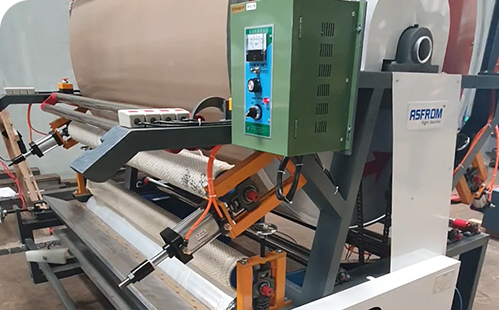
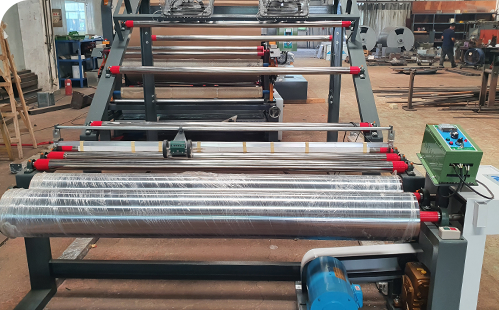
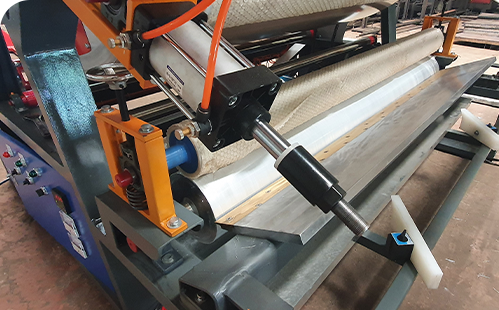
A1: AF‑MS020 Lamination Machine for Solvent Base Glue is continuous compound laminating machine dedicated for solvent‑based super glue and PU glue. Equipped with large‑diameter heating roller and multiple optional heating modes, it processes both roll‑form and sheet‑form materials. It completes full workflow of gluing‑drying‑pressing for composite of foam, EVA, leather, fabric and other shoe‑materials.
Extension: It supports single‑action /linked‑action driving mode. Press‑roller can be adjusted manually or pneumatically. Optional customized modules such as static elimination and anti‑stick roller surface are available. It is upstream composite process for shoe‑material, and laminated material can go to skiving and edge‑folding machines for further processing.
Q2: What are the core technical parameters of AF‑MS020 Lamination Machine for Solvent Base Glue?
A2:
1.Model No.: AF‑MS020
2.Voltage:380V /50HZ 3‑Phases
3.Total input power:60KW; Heating power:1.5KW×24pcs=36KW
4.Motor power:5HP+2HP(expandable +2HP), single‑action / linked‑action
5.Effective working width:1650mm
6.Standard heating roller: Φ1500×1800mm, customizable Φ1500‑Φ2500 ×1800‑3000mm
7.Gluing method: scraper gluing, precision anilox‑roller gluing
8.Standard machine dimension:6500×2400×2300mm; extended‑version:8500×2400×2300mm
9.Working air pressure(pneumatic version):0.6MPa
Extension: Actual production speed depends on glue drying condition. Do not pursue excessive line speed for solvent‑glue process; too fast speed leads to insufficient drying and delamination.
Q3: What are the main features of AF‑MS020 Lamination Machine for Solvent Base Glue?
A3:
1.Multiple optional heating modes: electric tube, electric plate, gas, thermal‑oil, steam to adapt various workshop conditions and material processes.
2.High feeding compatibility with conveyor‑belt feeding, processing both roll and sheet materials for great versatility.
3.Precise gluing adjustment via scraper / anilox roller. Glue baffle adjusts according to material width for accurate gluing width control.
4.Gluing‑roller supports manual & pneumatic adjustment. Pneumatic version reduces setup time for frequent material change‑over.
5.High‑temperature‑resistant mesh‑belt pressing mechanism provides even pressure distribution, improves bonding strength and reduces reject rate of delamination & partial poor lamination.
6.Custom‑available options: synchronous glue‑adjustment device, roller anti‑stick treatment, silicone flat belt, static‑elimination device etc.
7.Drive system supports single‑action and linked‑action for different production conditions.
Extension: It is solvent‑glue equipment with strict requirements for workshop ventilation and fire‑protection. Large roller stores massive heat; wait for sufficient cooling before internal maintenance after shutdown.
২. প্রযোজ্য শিল্প ও উপকরণ
Q4:What products and materials can AF‑MS020 Lamination Machine for Solvent Base Glue process?
A4:Suitable for EVA, SBR, foam, high‑foaming material, leather, shoe‑material and garment fabrics. It performs lamination with solvent‑based super glue and PU‑glue for bi‑material composite.
Extension: Standard gluing unit is NOT designed for water‑based glue or solvent‑free glue directly. Thin fabric needs proper tension control to avoid stretching deformation. For porous foam, pay attention to glue penetration to prevent glue bleed‑through.
Q5: What production scenarios is AF‑MS020 Lamination Machine for Solvent Base Glue mainly used for?
A5:Applied in shoe factories, luggage factories and garment‑fabric processing plants. It belongs to upstream composite procedure. Laminated semi‑finished goods can be sent to skiving machine, edge‑folding machine and embossing molding machine for downstream processing.
Extension: Suitable for mass continuous roll‑material lamination as well as sheet‑material batch processing. Not ideal for small‑lot frequent glue‑type switching. Solvent glue produces volatile gas; workshop exhaust system is mandatory.
三. Utility, Installation & Commissioning
Q6: What utility conditions are required for AF‑MS020 Lamination Machine for Solvent Base Glue?
A6:Power supply:380V 50Hz three‑phase, reliable protective earthing. Pneumatic version requires external compressed air source at 0.6MPa. Workshop must be equipped with powerful exhaust & ventilation system and adequate fire‑fighting equipment. Reserve sufficient space for machine layout, operation and maintenance.
Extension: Machine body is very long; check doorway & aisle dimension for machine entry. Anti‑static floor and water‑sprinkling facilities are recommended for solvent‑glue working zone.
Q7:What are requirements for installation & placement of AF‑MS020 Lamination Machine for Solvent Base Glue?
A7:Place machine on flat, ventilated and spacious floor, keep away from open fire and heat source. Separate raw‑material stacking zone from machine body. Reserve operation and fire‑escape passage around machine. Tighten all air‑pipe joints for pneumatic version.
Extension: Machine contains high‑temperature components. No flammable stock nearby. Do not mount close against wall; keep rear‑side maintenance clearance.
Q8:What is complete test‑running operating procedure for AF‑MS020 Lamination Machine for Solvent Base Glue?
A8:
1.Confirm reliable power earthing. For pneumatic model, start air‑compressor and set pressure to 0.6MPa. Ensure exhaust and fire‑fighting facilities are ready.
2.Switch on main power, activate heater‑1 and heater‑2, set process temperature on thermostat (water‑proof glue needs highest temperature, super glue uses lowest temperature).
Extension: Large roller has huge heat capacity. Allow sufficient pre‑heating. Do not start production immediately after temperature rise, otherwise insufficient drying will occur.
3.Set tiny gap between copper doctor‑blade and gluing roller. Adjust glue baffle to match material width. Pour glue and fine‑tune glue thickness. Adjust silicone press‑roller gap to just hold material.
4.Hang raw material on feeding hook, thread material via S‑bar under gluing roller; run without load to inspect gluing uniformity.
5.Send glued base material into mesh‑belt pressing zone of large heating roller. Pull second‑layer material from middle section of large‑roller for laminating.
6.Adjust temperature, glue thickness and line speed according to glue drying effect. Test bonding strength by sampling; start mass‑production only after sample acceptance.
7.After production, turn off heating, wait until roller fully cooled down before cleaning and maintenance.
8.Do not disassemble machine upon failure, contact manufacturer technical support.
Q9: What precautions for process‑parameter adjustment?
A9:Temperature, glue thickness and line speed interact mutually. Water‑proof glue requires highest temperature while super glue uses lowest temperature. Qualified speed judgement: glue shall be fully dried after material exits large roller. Do not over‑tighten silicone press‑roller gap to avoid material squeeze‑deformation.
Extension: Fully stir solvent glue every batch after adding solvent. When glue viscosity changes, readjust doctor‑blade gap and running speed accordingly.
৪. মেশিনের গঠন ও উপাদানসমূহ
Q10: What are the 5 core assemblies of AF‑MS020 Lamination Machine for Solvent Base Glue?
A10:5 modular core assemblies:
1.Main‑frame & conveyor assembly; 2.Gluing coating unit; 3.Large‑roller heating‑pressing unit; 4.Power transmission mechanism; 5.Electrical & pneumatic control system.
‑Main‑frame & conveyor assembly: machine frame, feeding hook, S‑bar guide, high‑temperature resistant mesh‑belt.
‑Gluing coating unit: gluing roller, copper doctor‑blade, glue baffle, silicone press‑roller(manual / pneumatic adjustable).
‑Large‑roller heating‑pressing unit: large‑diameter heating roller, mesh‑belt pressing assembly, heating tubes.
‑Power transmission mechanism: three reducers(1×100#, 2×80#), 5HP+2HP motor, transmission chains.
‑Electrical & pneumatic control system: thermostat, power control cabinet, pneumatic pressure‑regulating valve.
Extension: Wearing‑parts: copper doctor‑blade, silicone press‑roller, high‑temp mesh‑belt, chain & bearings. Spare‑part stock is recommended to shorten downtime.
Q11: What are functions of single‑action / linked‑action driving mode?
A11:Single‑action mode: each transmission unit runs independently for machine commissioning, sampling and troubleshooting. Linked‑action mode: all units run synchronously for mass continuous production.y.
Q12: What is the function of high‑temperature‑resistant mesh‑belt pressing mechanism?
A12:Work together with large heating roller to provide even pressing force. Keep stable physical performance under high‑temperature condition, ensure tight lamination of two‑layer material and reduce defects like delamination and partial poor bonding.
五.Safety, Maintenance & Troubleshooting
Q13: What safety notes for AF‑MS020 Lamination Machine for Solvent Base Glue?
A13:
1.Machine must be reliably earthed for three‑phase power. Large‑size hot‑roller exists; do not touch roller surface during running to avoid scald injury.
2.Benzene‑containing solvent glue is adopted. Mandatory workshop exhaust ventilation and complete fire‑fighting equipment are required. Separate raw‑material stock from machine, apply anti‑static water‑sprinkling around machine.
3.Keep hands away from nip zone of gluing roller, pressing mesh‑belt and heating roller during running to prevent roll‑in & crush injury.
4.Cut off main power before cleaning or maintenance; wait for roller fully cool‑down.
5.Do not open protective cover while reducer and transmission‑chain are rotating.
6.Do not disassemble machine upon failure; contact manufacturer technician.
Extension: Operators shall be trained for solvent‑glue safety regulation. No open‑fire or smoking in workshop. Keep glue‑container sealed in storage.
Q14: What is maintenance schedule for AF‑MS020 Lamination Machine for Solvent Base Glue?
A14:Per shift: Check air‑compressor pressure; check reducer oil‑level & oil leakage; clean residual glue on doctor‑blade and glue tray; inspect chain condition; verify exhaust & fire‑safety facilities.
Weekly: Inspect air‑pipe joints; apply general grease for transmission chain; inspect mesh‑belt wear condition.
Every 3600 running‑hours: Replace reducer oil with Mobil 0# gear‑oil; clean impurities inside worm‑gear while oil changing; apply 300℃ high‑temp lubricant for hot moving parts; replenish grease for all bearings.
Every half‑year: Dedust motor for good ventilation & heat dissipation; fasten electrical terminals; inspect heating‑tube performance.
Yearly: Complete machine overhaul, evaluate wear of roller, mesh‑belt, doctor‑blade and reducer, replace aged spare‑parts.
Extension: If machine keeps idle for more than one week, clean full glue‑path to avoid glue curing and blockage of blade & glue tray.
Q15: Common faults and troubleshooting guidelines?
A15:
- Poor bonding / non‑stick after lamination: insufficient glue amount; excessive solvent volatilization; silicone press‑roller pressure too high or too low; incomplete glue drying.
- Unbalanced bonding strength left‑right: unbalanced pressure on two sides of silicone press‑roller; inconsistent glue‑thickness left‑right; uneven stirring while adding solvent into glue.
- Weak bonding at middle zone: uneven worn copper doctor‑blade leading to insufficient glue at center; excessive large‑roller temperature causes bubble formation in middle area of material.
- Glue bleed‑through on material surface: excessive glue coating thickness. Extension‑added frequent site faults:
- Bubbles after lamination: improper drying temperature; over‑fast line‑speed; air trapped between two layers.
- Striped uneven gluing marks: worn / chipped copper doctor‑blade; unlevel blade mounting; cured‑glue lumps & impurities inside glue path.
- Mesh‑belt tracking offset: inspect mesh‑belt tension‑adjustment mechanism, make left‑right tension consistent.
六.Model Selection
Q16: Which customers are suitable for AF‑MS020 Lamination Machine for Solvent Base Glue?
A16:Recommended for shoe‑making factories, luggage & fabric processing plants for solvent‑based super‑glue / PU‑glue lamination of EVA, SBR, foam, leather and fabrics, processing both roll‑form and sheet‑form material with proper ventilation & fire‑safety infrastructure. Laminated semi‑products can go to BMF‑228 skiving machine, A‑292 / AFB‑202 folding machine and ASL‑831A embossing molding machine.
Extension:
✅ Suitable scenarios: mass continuous roll‑material lamination; sheet‑material batch processing; multiple heating‑mode requirement adapting site condition.
❌ Unsuitable scenarios: mainly processing water‑based or solvent‑free glue; workshop without exhaust & fire‑protection; frequent glue‑type change‑over for small batches.
Alternative suggestion: If production focuses on water‑based glue lamination, select dedicated water‑base laminator instead of this model.